Locksmith
What we tell our neighbours
You do not need to become an expert to make good choices about locks. A little understanding goes a long way. These short pieces give you that: how keys are copied, what a lock grade means, when a repair beats a replacement and how to prepare for the unexpected.
Let's clear a few things up
Can you open an interior door such as a locked bathroom or bedroom?
Yes, and these are usually gentle jobs. Privacy locks on bathroom and bedroom doors are built with a small emergency release on the outside, and when that has been painted over or stripped a locksmith can still operate the latch from outside with the right tool. Older interior doors with a keyed mortise lock or a bit key are opened by picking or by cutting a key to the lock. The door and trim stay as they were.
Will we get something in writing afterwards?
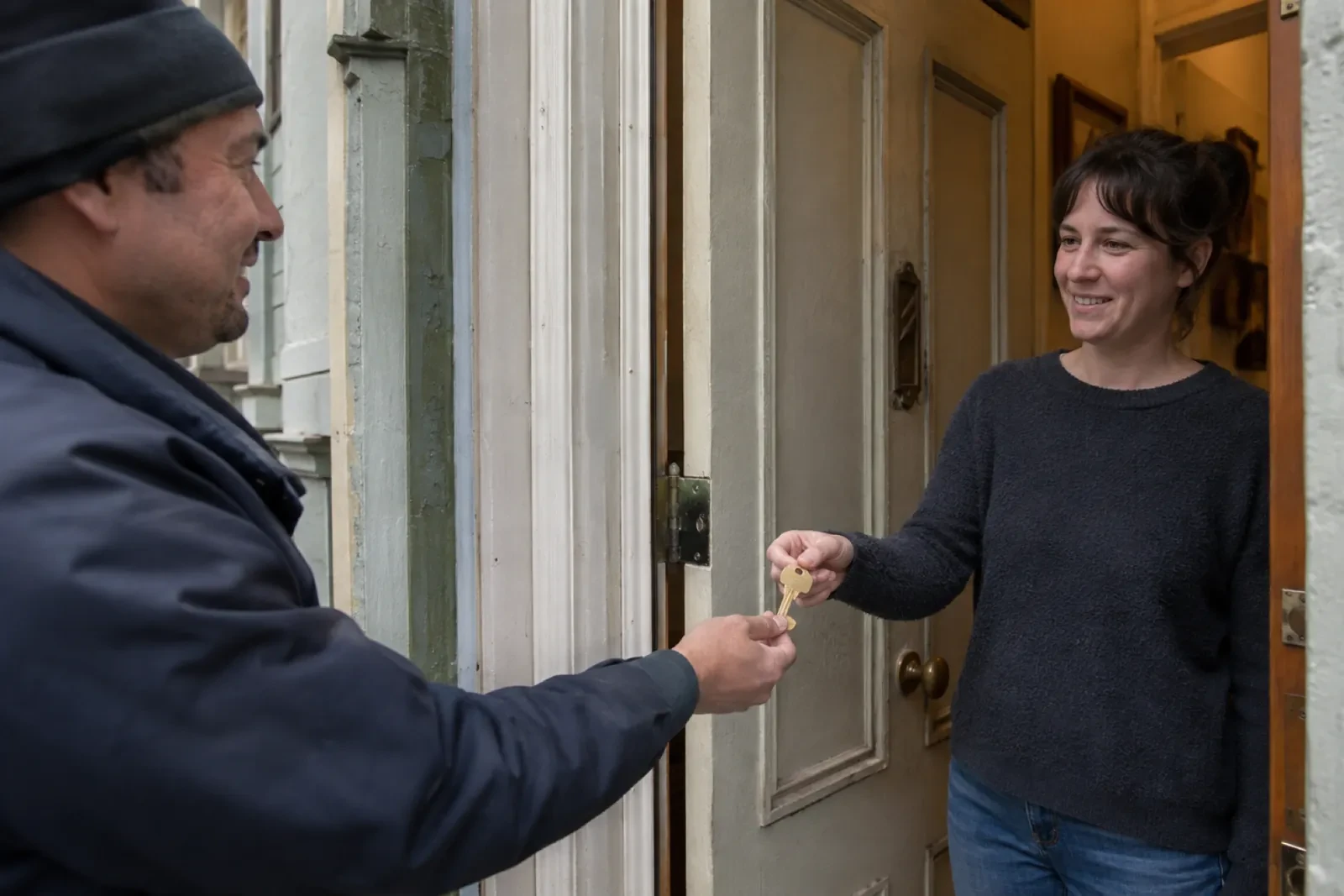
Yes. The visit closes with a written account of which door was opened and how, the condition the hardware was in, anything replaced, the number of keys cut and who received them. Landlords ask for it when locks on a unit change, insurers after a loss, and franchise head offices as a matter of course. Keep it with the lease; it also tells the next locksmith exactly what is on your doors.
Part of the key is sticking out. Can I just pull it with pliers?
If a good length shows and the plug is at its normal rest position, a firm straight pull sometimes works. The risk is pushing instead of pulling, or twisting, which drives the piece deeper and can bend a pin. If it does not come on the first gentle try, stop there and leave it for extractor tools, which grip the cuts without loading the cylinder.
I rent. Who arranges the repair, and can I change the lock myself?
Tell your landlord or property manager as soon as the police have been called; provincial tenancy law makes the landlord responsible for repairs to the unit, and most will arrange the locksmith. A tenant may not change locks without the landlord's agreement, and a landlord who changes them must give the tenant keys, so the visit is coordinated between you. If you arrange securing yourself in an emergency, keep the receipt and the record of what was done for both sides.
Why is it always the shaded side of the building that seizes?
The face of a building that never sees direct sun stays colder and damper, so ice in a keyway lasts days longer there and condensation sits in the cylinder rather than drying off. Wind-driven rain and snow tend to hit the same face. Those doors deserve a keyhole cover, a storm door where one fits, and a lubricant check before the season turns, and they are often the first lock a locksmith asks about.
Do I have to prove I live here before you rekey?
Yes, and it is a step that protects you. A rekey changes who can open the door, so the locksmith confirms the person asking has the standing to decide: photo identification matched to the address for an owner, a lease or bill for a tenant, management records for a superintendent or property manager. Say on the phone what you have so the visit starts smoothly.
What should I have ready before the locksmith arrives?
A list of the doors you want included, a working key for each lock if you have one, and a clear idea of whether you want everything on one key or some doors kept separate. Have your identification and something tying you to the address handy. If you rent, have your landlord's agreement ready to mention. Knowing roughly how many new keys the household needs saves a second trip to cut more.
I rent. Can I have a deadbolt installed on my unit door?
You can, with a conversation first. Tenancy rules in this province expect a tenant to have the landlord's consent before changing locks and expect the landlord to hold a key, so ask in writing and share the plan. Many landlords welcome a proper bolt. The locksmith can key the new cylinder to the building's existing key where the keyway allows, and leave a note of the model and keys cut for the building manager.
Can I replace only the deadbolt and keep my existing knob?
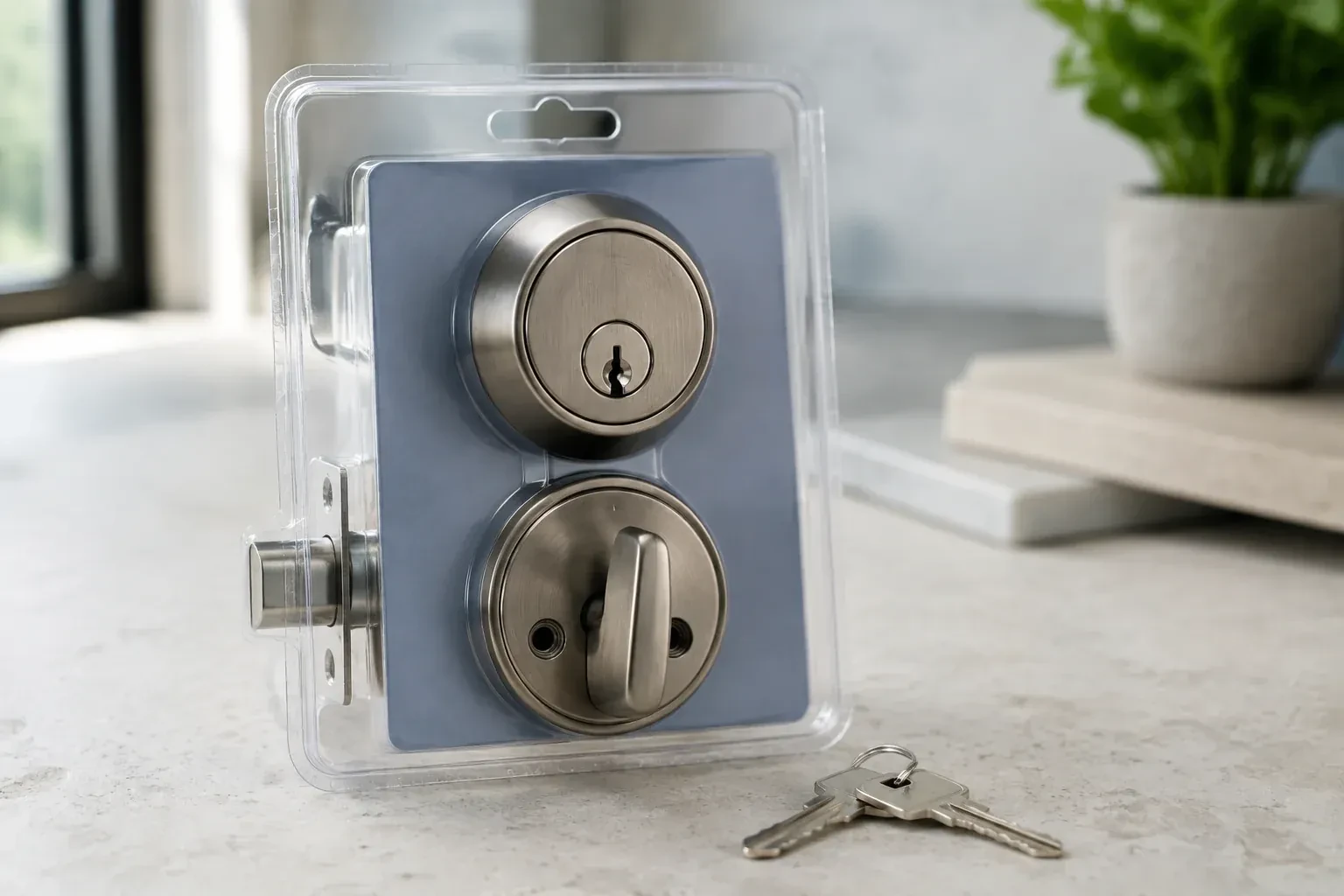
Yes. The deadbolt and the knob or lever are separate locks in separate bores, so one can be replaced while the other stays. The new deadbolt can be pinned to work on the same key as the knob if the keyways are compatible, and its finish can be matched to the knob so the door looks intended. Replacing the deadbolt first is a sensible order, since it does most of the securing.
Will the door look any different afterwards?
Usually not, when the original case is repaired: the same knobs, escutcheons, faceplate and strike go back on in the same positions, and the only visible change is paint or grime cleared from the edges that were catching. A replacement case is chosen to match the pocket so original trim is reused wherever spacing allows, though an occasional case needs a small pocket or fixing change, explained beforehand.
Will a smart lock fit my existing door?
Most residential doors have the standard preparation these locks are designed around: a large hole for the lock body, a smaller one in the edge for the bolt, and a thickness between roughly 35 and 45 millimetres. The locksmith measures all three plus the backset before recommending a model. Thicker doors take an extension kit, thin or glass-panelled doors and older doors with a mortise pocket call for a particular model or some preparation, and all of that is sorted out before the box is opened.
How do you decide whether to repair a gate lock or replace it?
The decision follows what the assessment actually finds rather than the age of the hardware alone. A cylinder that is only stiff or slightly worn is usually serviced and left in place, while one that is pitted, cracked or built to a grade unsuited to its exposure is replaced. The same logic applies to a closer or hinge: adjustment first, replacement only once the part itself has genuinely failed. You are told which category the hardware fell into and why before any work proceeds.
Is a mailbox lock the same kind of lock as a house door?
The mechanism is related but smaller: many mailbox locks use flat wafer tumblers rather than the pin-tumbler cylinders found in most house doors, and some use a tubular, or barrel-key, design instead. The keyway, the tools that open it, and the way it is measured for replacement all differ from a deadbolt, even though both are picked or decoded using similar principles.
The combination works but the handle won't turn. Is that still a safe opening job?
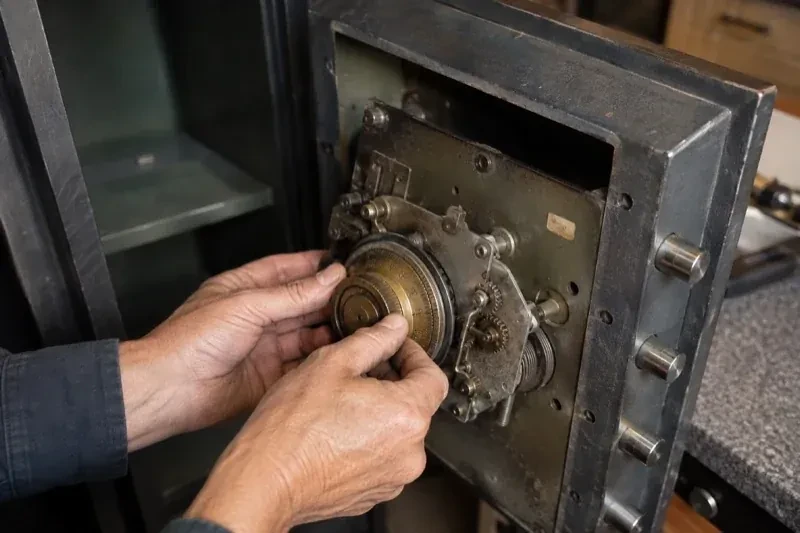
Yes, though the cause is different. A stuck handle usually points to a jammed bolt, corroded linkage, or a tripped relocker rather than a lock failure, and the locksmith traces the mechanism from the handle back to find where it is caught. The combination lock itself is tested separately once the bolt work moves freely again, to confirm it was never actually at fault.
Will you service a safe that another company installed?
Yes, servicing does not depend on who did the original installation. The locksmith opens the bolt-work, tests the lock through a full cycle, checks the anchoring underneath, and replaces batteries in an electronic lock as needed, regardless of the brand or who fitted it originally. Not knowing the history of the unit just means a slightly more thorough first look before any work begins.
Why does the locksmith care so much about the strike plate?
Because that is where a kicked door fails. The bolt is strong, but it sits in a pocket in the jamb held by a thin plate and short screws, and a boot splits the wood around it. A reinforced strike or box strike fastened with three-inch screws into the wall framing spreads the blow along the frame. It is the least visible part of the upgrade and often the one that does the most.
What is the difference between rekeying a business and replacing its locks?
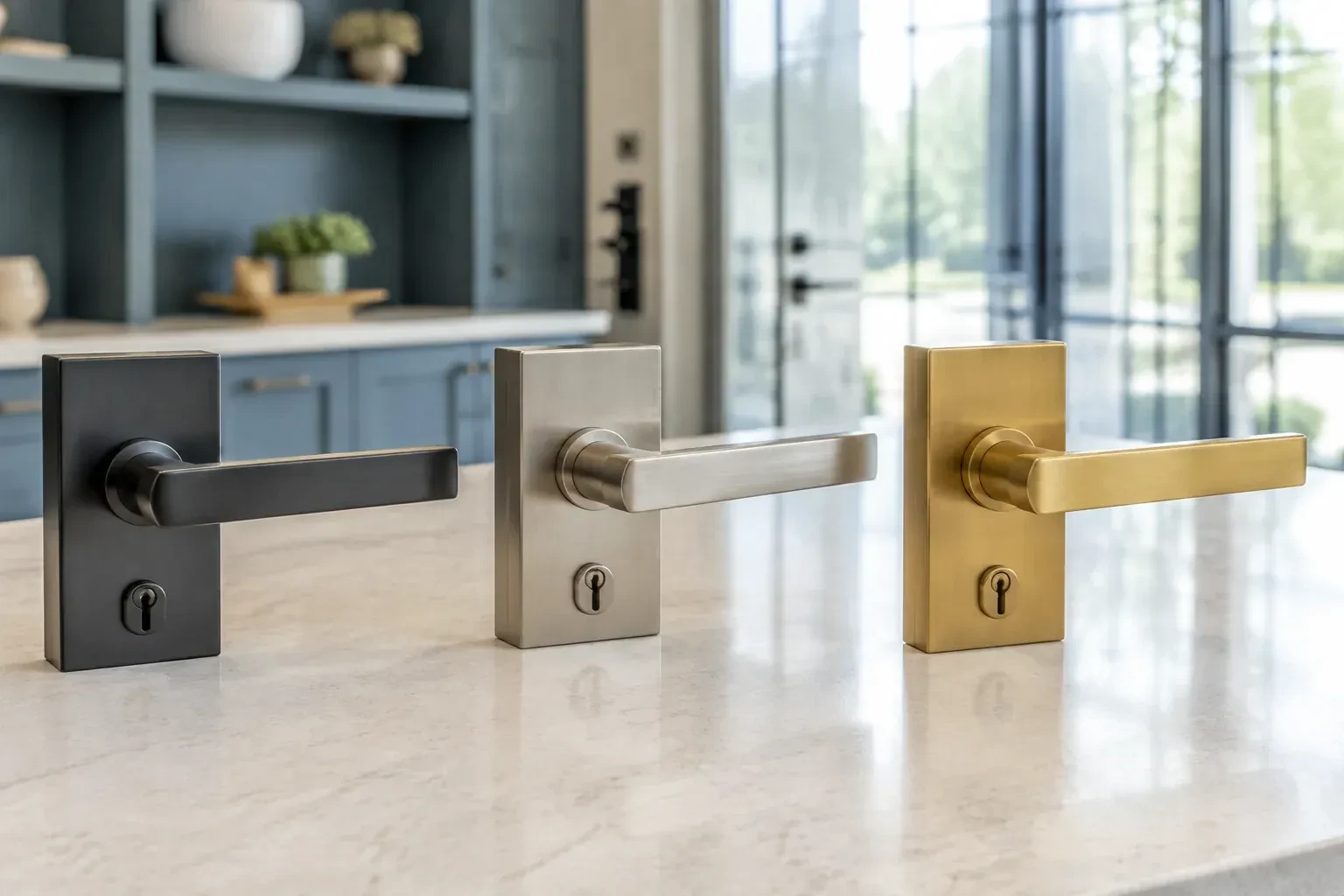
Rekeying keeps every lock on the door and changes only the pins inside the cylinder, so a new key works and the old ones stop. Replacing swaps the hardware itself. Commercial cylinders are made to be repinned many times, so rekeying suits any lock in sound condition and leaves the levers, trim and door untouched. Replacement is chosen door by door for cylinders that are worn, corroded or too light for what they protect.
Can different lock brands be mixed in one master key system?
Sometimes, but it depends on the keyway and pinning platform each brand uses; some are compatible with one another and some are not. Where a mix already exists on a property, the assessment identifies which cylinders can be brought into a single hierarchy and which need replacing with a matching platform so every level pins correctly across the whole set of doors.
Can access control be added to just one door, or does it have to cover the whole building?
A single door with its own standalone reader is a complete installation on its own, and plenty of businesses start there. If more doors need controlling later, a networked controller can be added at that point, or the building can simply add another standalone unit. Nothing about starting small commits the business to expanding, and nothing about a single-door job rules out growing the system later.
What should I have ready before the visit?
Knowing the intended use of the room, roughly how many people it holds, whether any doors are already fire-rated, and whether any of them are part of a pair helps the locksmith bring the right devices. If a fire inspector or building official has already given a note about the opening, having that note or its reference number on hand keeps the visit focused on what was actually flagged.
How long does commercial-grade lock hardware typically last under heavy use?
It depends heavily on cycle count and how the door is treated day to day, but hardware graded for commercial duty is built to outlast the internal wear that sinks a residential lock on the same door. A delivery door opened hundreds of times a shift will still wear its hardware faster than a quiet office entrance, so grade and use should be matched from the start rather than assumed.
Can you open a pickup, a motorcycle, a trailer or a motorhome?
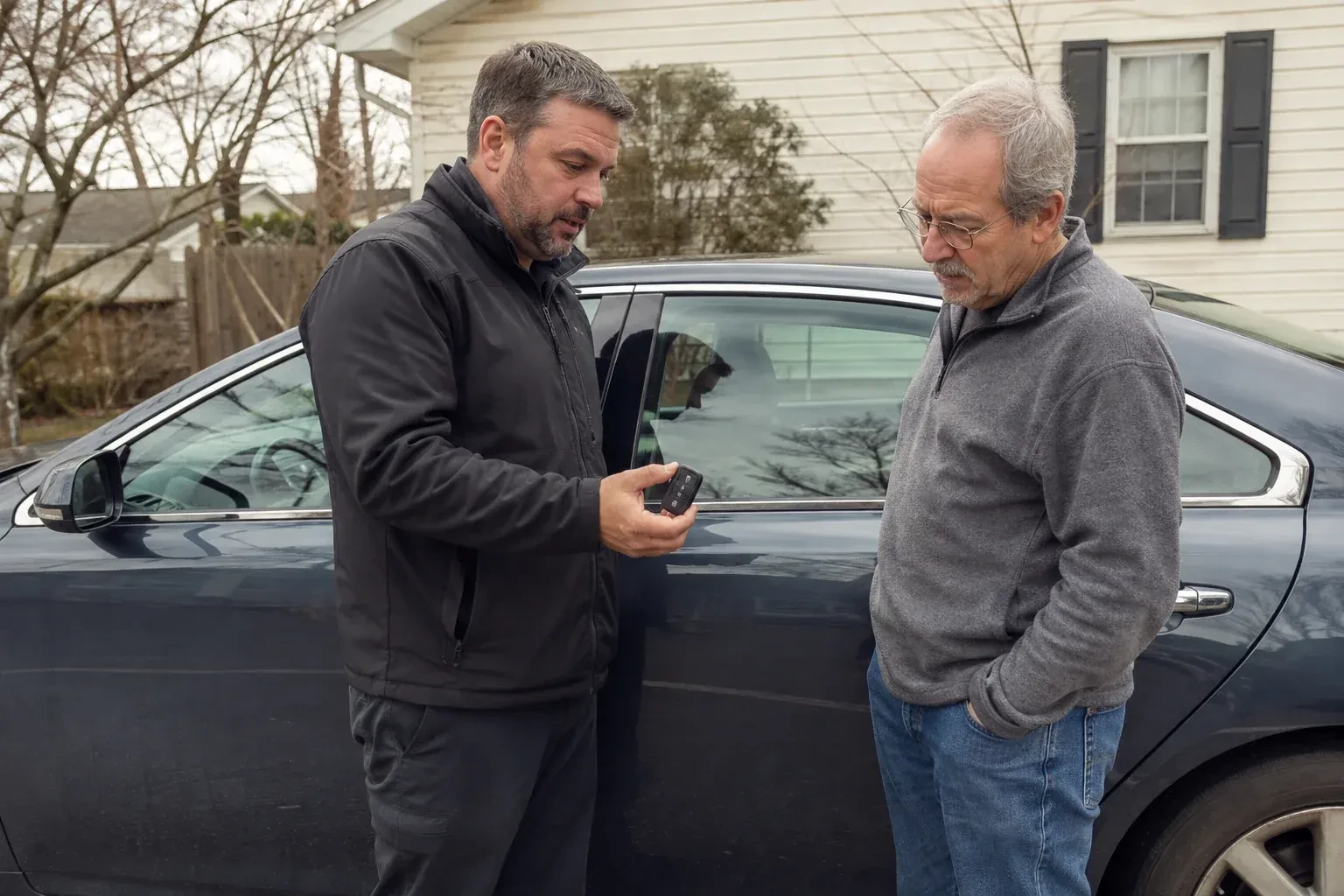
Yes. Trucks and vans often have a separate cargo or tailgate lock, motorhomes use household-style cylinders on their living-space doors, trailers and hitch locks are padlock-type hardware, and motorcycle seat and steering locks are small wafer cylinders. Say what the vehicle is when you call so the right picks and blanks are in the van, and expect the same authorisation check for each.
What should I have ready when I call?
The year, make and model, and the VIN if you can read it through the windshield or from the permit. Whether any working key exists. Whether the car starts with a turned key or a push button, and what buttons the old fob had. Where the car is parked and whether it is locked. Your photo identification and the vehicle permit, or lease or fleet paperwork. With those, the right parts are in the van on the first trip.
How long does making a spare car key usually take?
The time depends mainly on the key system rather than the blade. A plain mechanical key can often be duplicated within one visit, without extra electronic work. A transponder or remote-head key adds a cloning or programming step, done off the vehicle when the chip supports it and through the vehicle's own diagnostic port when it does not, with the diagnostic route usually taking longer. The locksmith can usually say which category your vehicle falls into once the make, model and year are known, before the appointment starts.
What should I have ready before a key fob programming visit?
The vehicle's identification number, proof that you own or are authorized to use it, and an honest count of how many fobs exist for the car, working or not. Mention whether any fob is truly lost rather than misplaced at home, and whether the vehicle currently starts with the fob you do have. That picture lets the right procedure and parts be settled before work begins rather than partway through it.
Does the fob need a new battery every time a key is programmed?
Not necessarily, but it is checked every time regardless. A battery that is already weak is often easier to replace during the same visit than to leave for another call later, and a marginal battery can make a freshly programmed fob look like it has a fault when the chip itself is working exactly as intended.
Will the same key still open my doors and trunk after this repair?
If the doors and trunk already shared a key with the ignition, that arrangement is kept in mind throughout the repair and preserved wherever the vehicle's hardware allows it. Where a new cylinder or new pinning is involved, the other locks are tested against the new key before the visit ends, so nothing is left running on two different keys by accident.
Is a mismatched key the same problem as a broken lock?
Not always. A key cut for a different vehicle, or an old worn copy, can feel exactly like a failing cylinder from the driver's seat. Testing a fresh key against the existing lock is one of the first checks, since it sometimes resolves what looked like a hardware fault.
What is a good way to keep a spare key safe?
Somewhere away from the machine itself is the main principle: not under the seat, in a saddlebag, or taped inside a compartment, since those are the first places anyone checks. A drawer at home, a family member's keyring, or a small lockbox mounted separately all work. Testing the spare on the actual lock before relying on it confirms it will do the job the one time it is needed.