High security · Oakville
Safe Opening & Combination Change
A customer's rifle safe at the range has a dial that simply will not respond to the combination written on the sales receipt from years ago.
In plain words
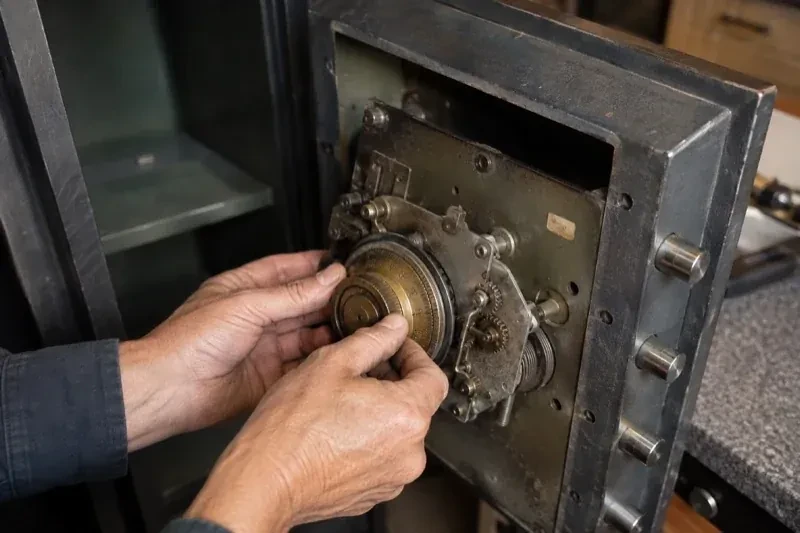
Mechanical and electronic safe locks call for genuinely different work. A mechanical dial is opened by manipulation or decoding, reading resistance through the spindle as the wheel pack lines up one wheel at a time. An electronic keypad is approached through that model's own documented recovery options first, since some keep a way back in that avoids opening the case, while others have none and a reset connection has to be made at the lock body inside the container. Knowing which lock is on the safe before arrival shapes which tools and which approach get used.
How the visit goesA customer's rifle safe at the range has a dial that simply will not respond to the combination written on the sales receipt from years ago.
Safe Opening & Combination Change
How the visit goes
Records, plates and security ratings
A safe's data plate, when it survives, often carries more than a model number: many list a UL security classification for the lock itself, information that tells the locksmith what level of manipulation resistance to expect and what tools the job calls for. Any paperwork the owner still has, a purchase receipt, a service record from a previous visit, or a manual tucked in a drawer, adds detail that speeds up identification. Where none of that survives, the locksmith builds the same picture by reading the hardware directly, just with a few extra minutes spent confirming what the plate would otherwise have said.
Repairing or replacing the lock afterward
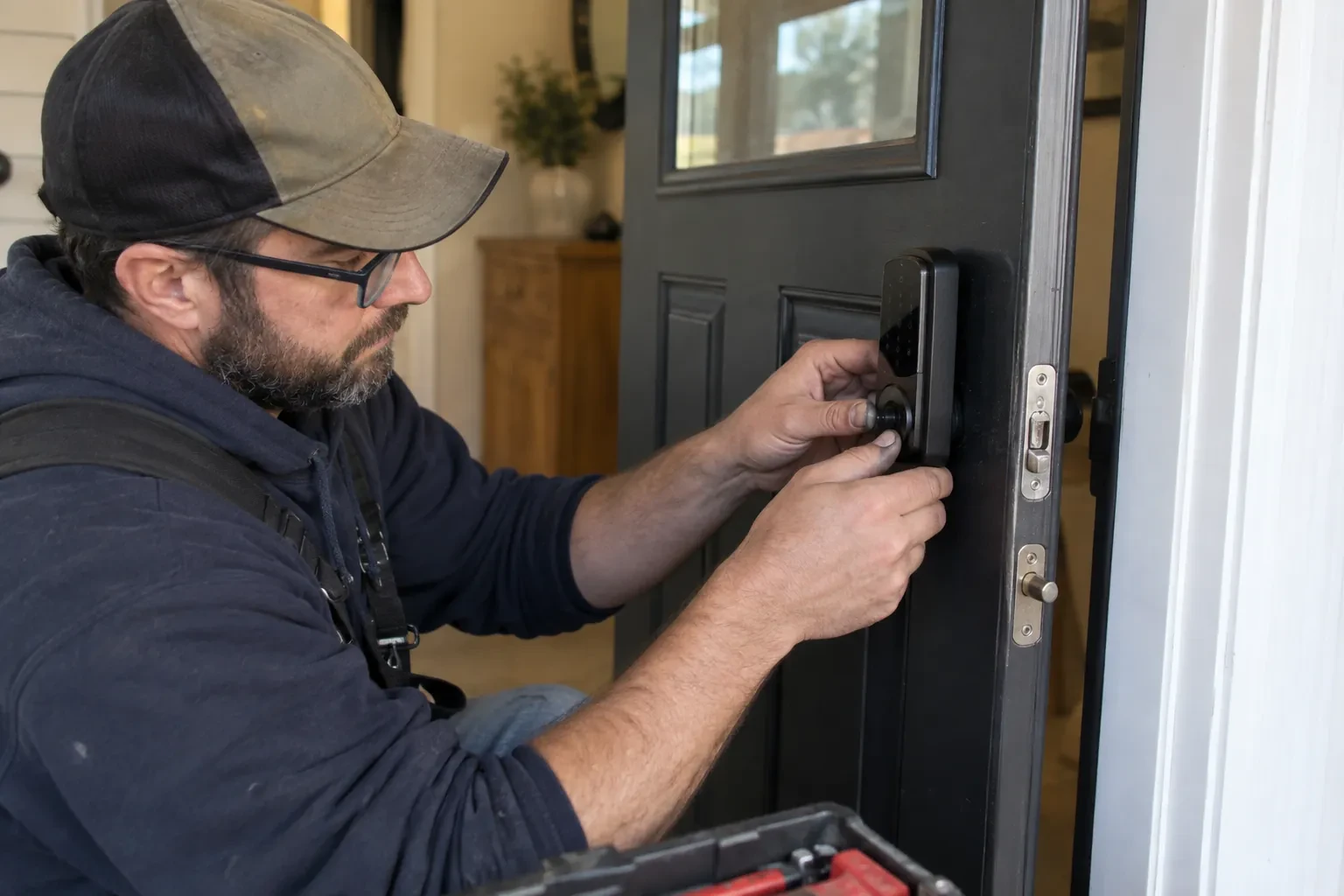
Once the safe is open, the lock that caused the trouble gets its own decision. A worn or damaged mechanical lock can often be repaired in place, its wheel pack, drive cam or spindle replaced individually rather than swapping the whole assembly. A failed electronic lock is more often replaced outright with a comparable or higher-rated unit, since circuit boards and keypads are not field-serviceable like a wheel pack. Either path aims for a lock at least as capable as the one it replaces, matched to the case's existing cutout, though restoring the safe's overall rated protection after any field repair follows the manufacturer's approved method rather than being assumed automatic.
A repaired point instead of a hole
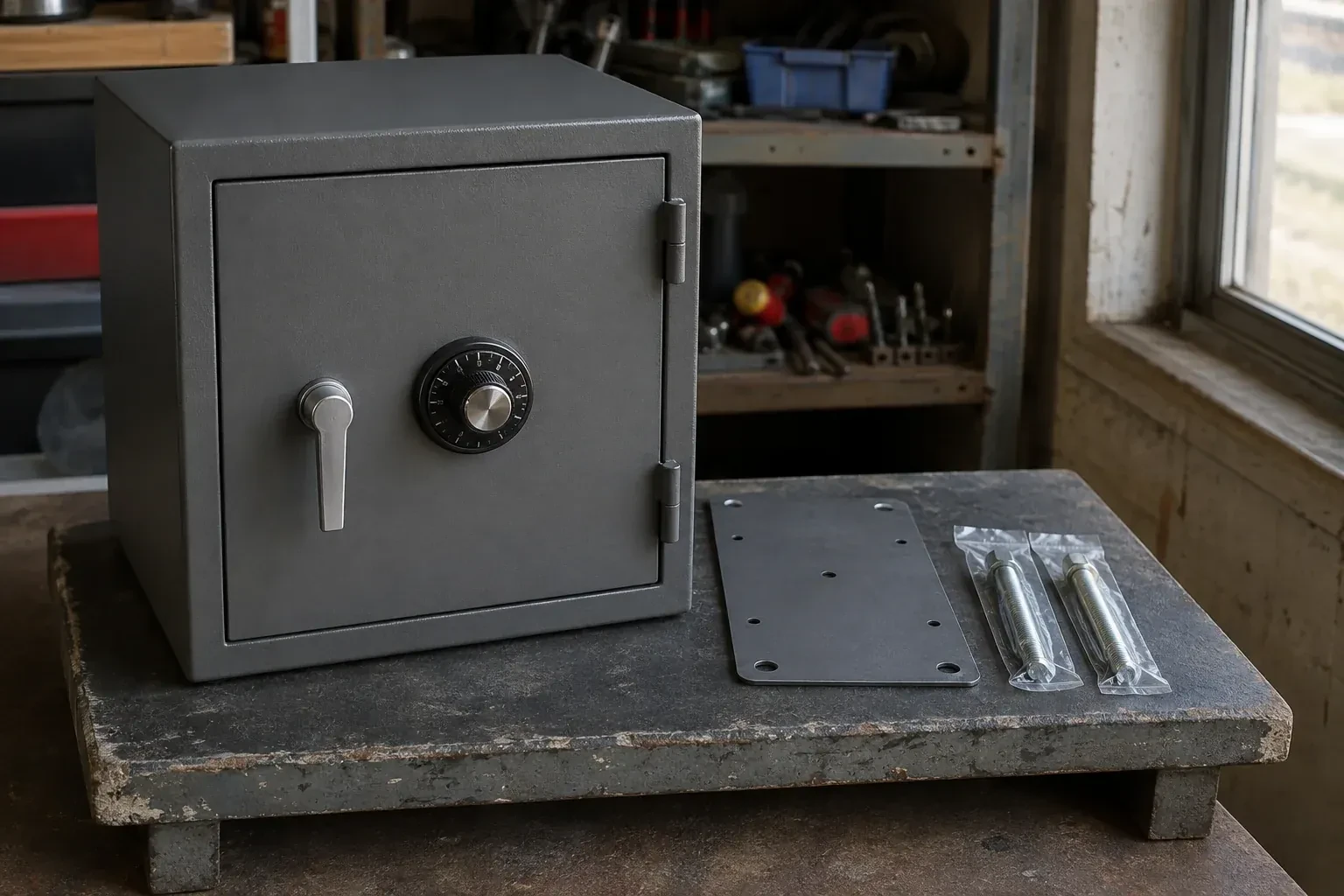
If drilling was needed, the hole is closed with a repair plug or patch plate matched to the case material and finish before the visit ends, so the safe's exterior shows a single small, professionally finished repair rather than an open hole. Where the drilled point affected the lock's original security rating, that is explained plainly, along with whether the replacement lock restores it. Restoring the case's original protection at that point follows the safe maker's approved repair method rather than being assumed automatic, since drilling can affect fireboard or barrier material there; the rest of the case, its steel, hinges and fire lining, carries on as it was.
Safe Opening & Combination Change
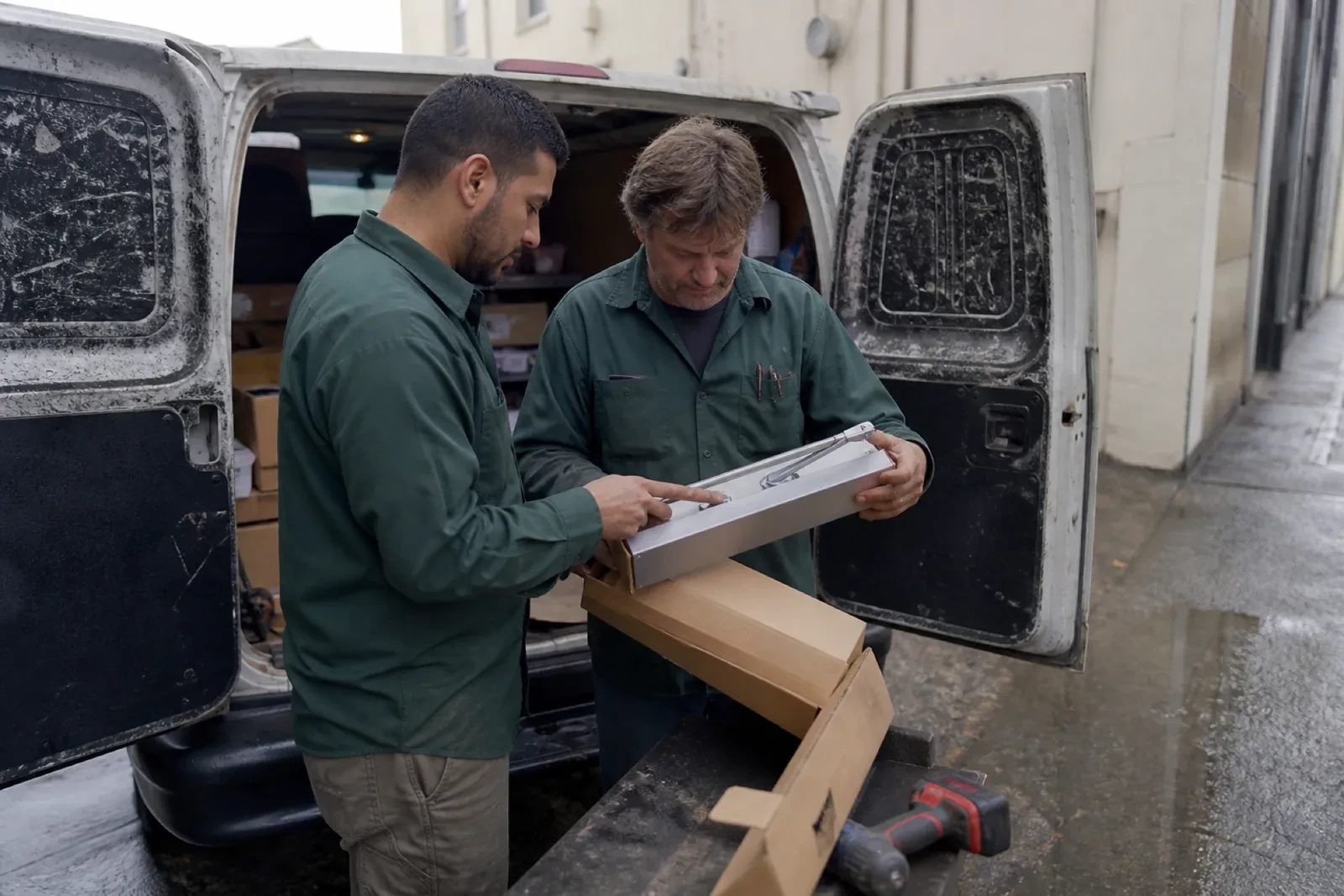
In the van
Dial decoding instrument
Borescope for internal viewing
Spindle and drive cam
Electronic keypad input unit
Drill rig and carbide bits
Safe Opening & Combination Change
What affects the quote
Age and condition of the safe
An older lock with visible wear, a stiff dial, or a keypad with worn buttons often needs more careful handling than a newer unit in good working order.
Contents that affect how carefully the opening proceeds
Cash, business records, prescription logs or firearms each carry their own handling expectations once the door opens, which can shape how the visit is planned and quoted.
Distance to the safe's location
Travel time to the site is part of every call-out, and a location further from the locksmith's usual service area is reflected in the quote alongside the work itself.
What to have ready
- Is there a data plate or any paperwork you can find?
- Does the handle turn normally, or does it feel stuck?
- Is the safe bolted down, built in, or freestanding?
Safe Opening & Combination Change: questions
QuestionsThe combination works but the handle won't turn. Is that still a safe opening job?
Yes, though the cause is different. A stuck handle usually points to a jammed bolt, corroded linkage, or a tripped relocker rather than a lock failure, and the locksmith traces the mechanism from the handle back to find where it is caught. The combination lock itself is tested separately once the bolt work moves freely again, to confirm it was never actually at fault.
Can several employees each get their own code once the safe is open?
Many electronic locks support more than one user code, so a manager and one or more backup employees can each be set up separately during the same visit rather than sharing a single combination. A mechanical dial only holds one combination at a time, so multiple access there means agreeing who holds it and how that changes when staff do.
What should I have ready before the visit?
The safe's brand and model if you know them, whether the lock is a dial, a keypad or a key, roughly how old the safe is, and how the combination was lost or forgotten. Mention whether the safe holds anything with its own handling needs, such as firearms or business records, and how many people should have the new code afterward.