High security · Oakville
High Security Locks
Your shop has had four employees leave in two years and each one had a key.
In plain words
Upgrading to high security rarely means new doors or a big disruption. Many high security cylinders retrofit into the existing deadbolt or lever, so the door preparation stays as it is and only the cylinder and keys change. A heavier deadbolt uses the same bore as the old one in most cases. The strike and hinge screws are swapped for long ones that bite into the framing. The visible difference afterwards is small; the practical difference is that the door resists the tools and tricks that defeat ordinary hardware, and that nobody can copy your key without you knowing.
How the visit goesThe restricted keys you bought years ago are no longer restricted; the locksmith mentioned the patent has run out and blanks are sold openly. Your key control quietly stopped being control.
High Security Locks
How the visit goes
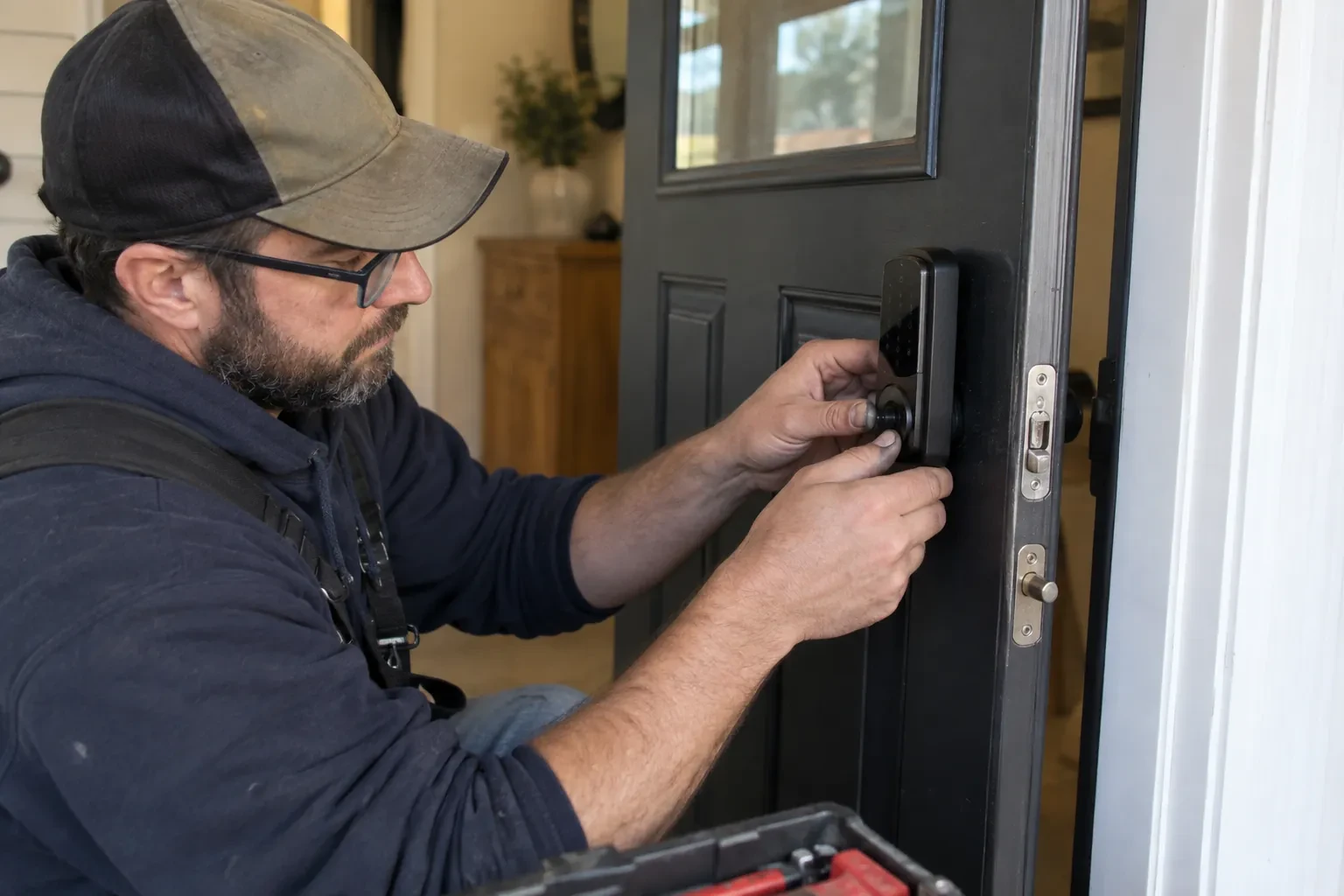
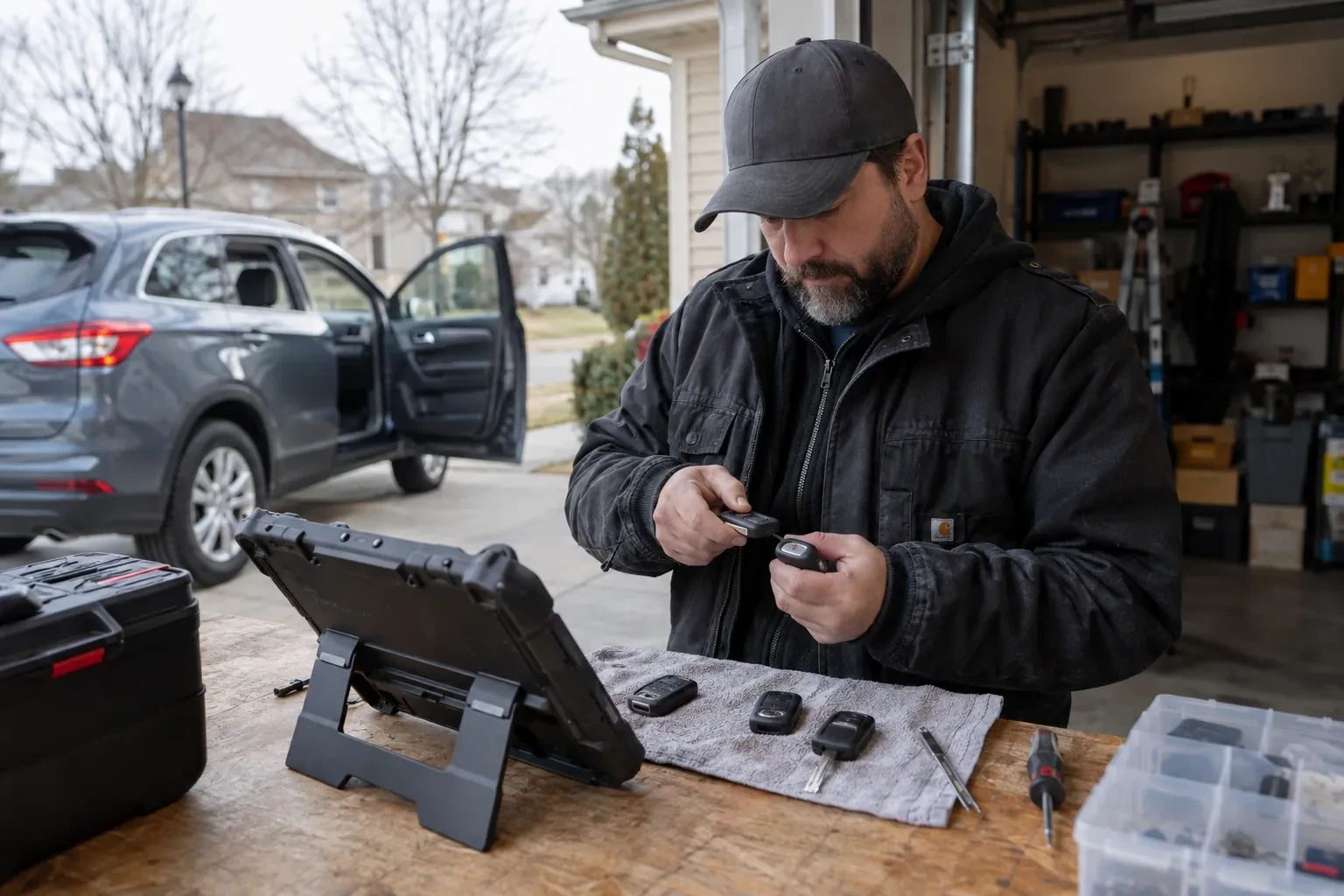
The fit of new hardware to old doors
Older houses in this region have doors that predate modern hardware: narrower stiles, a mortise pocket already cut, a thick slab door or a steel-clad door with a specific backset. The locksmith measures the bore, backset, door thickness and edge preparation so the chosen deadbolt or cylinder fits without hacking at the door. Where a mortise lock is present, a high-security mortise cylinder often replaces the old one directly. Where a knob lock is the only lock, the assessment includes where a new deadbolt bore would sit and whether the frame can take a proper strike.
Fitting a heavier deadbolt
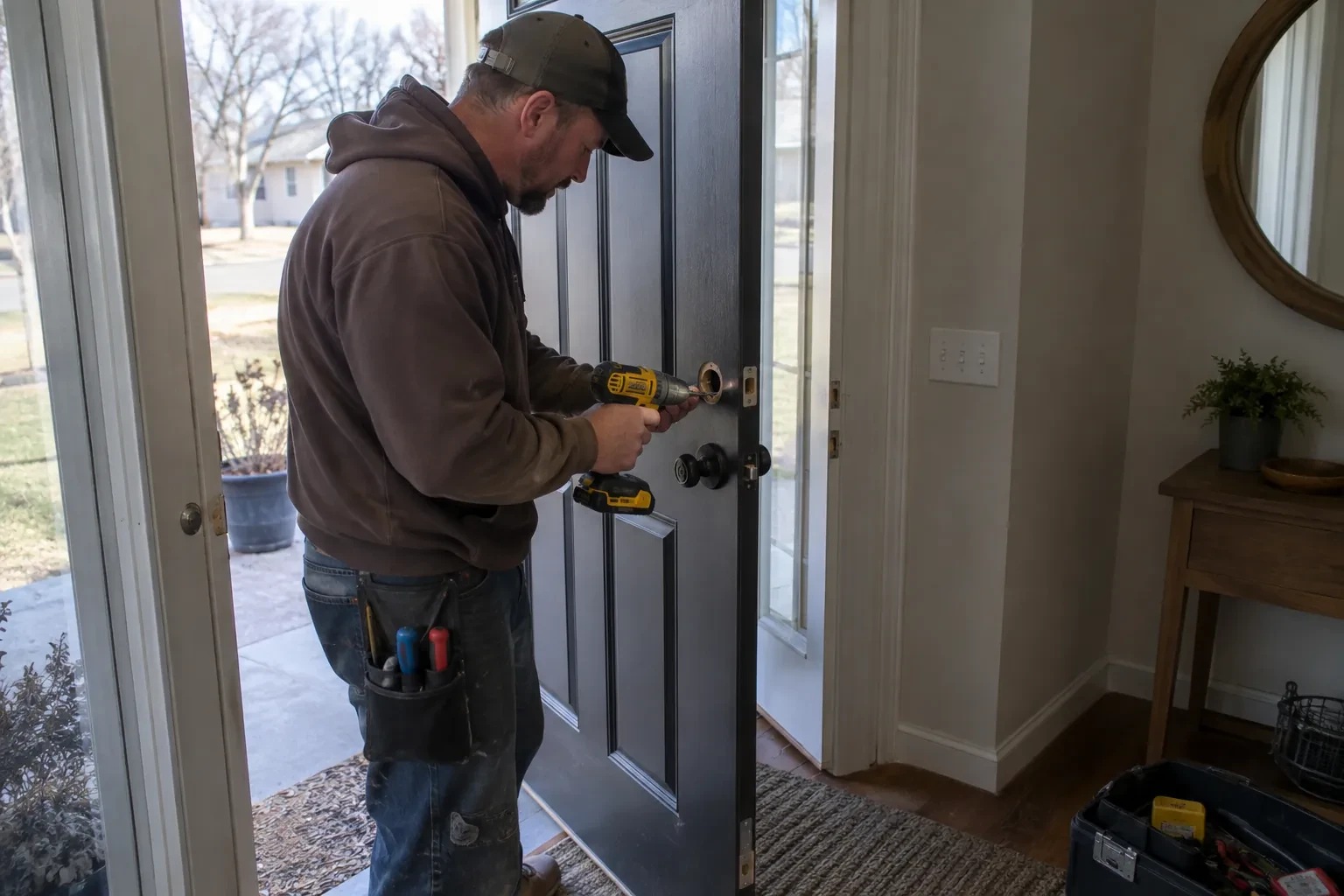
When the existing deadbolt is light or worn, the locksmith fits a graded deadbolt through the same bore where possible. The bolt throws a full inch and carries a hardened steel pin that turns under a saw blade, and the housing keeps part of the bolt supported against a kick. The latch is set in the edge bore with the correct backset, the exterior housing and interior thumb-turn are joined through the door with the long screws, and the final tightening is done by hand so nothing strips. The bolt is then thrown with the door open and closed to confirm it extends completely.
Looking after a precision cylinder
High-security cylinders are finer mechanisms than the pin tumblers they replace, and a little care keeps them turning sweetly. Use only the dry lubricant the locksmith recommends, once or twice a year and sparingly, and never household oil, which gathers grit around the finger pins and sidebar. In cold weather, if the key resists, warm it in your hand or use a de-icer rather than forcing it. Insert the key fully before turning. Keep a spare key indoors so a bent or worn key is retired rather than pushed on. Treated this way, the cylinder outlasts the door around it.
High Security Locks
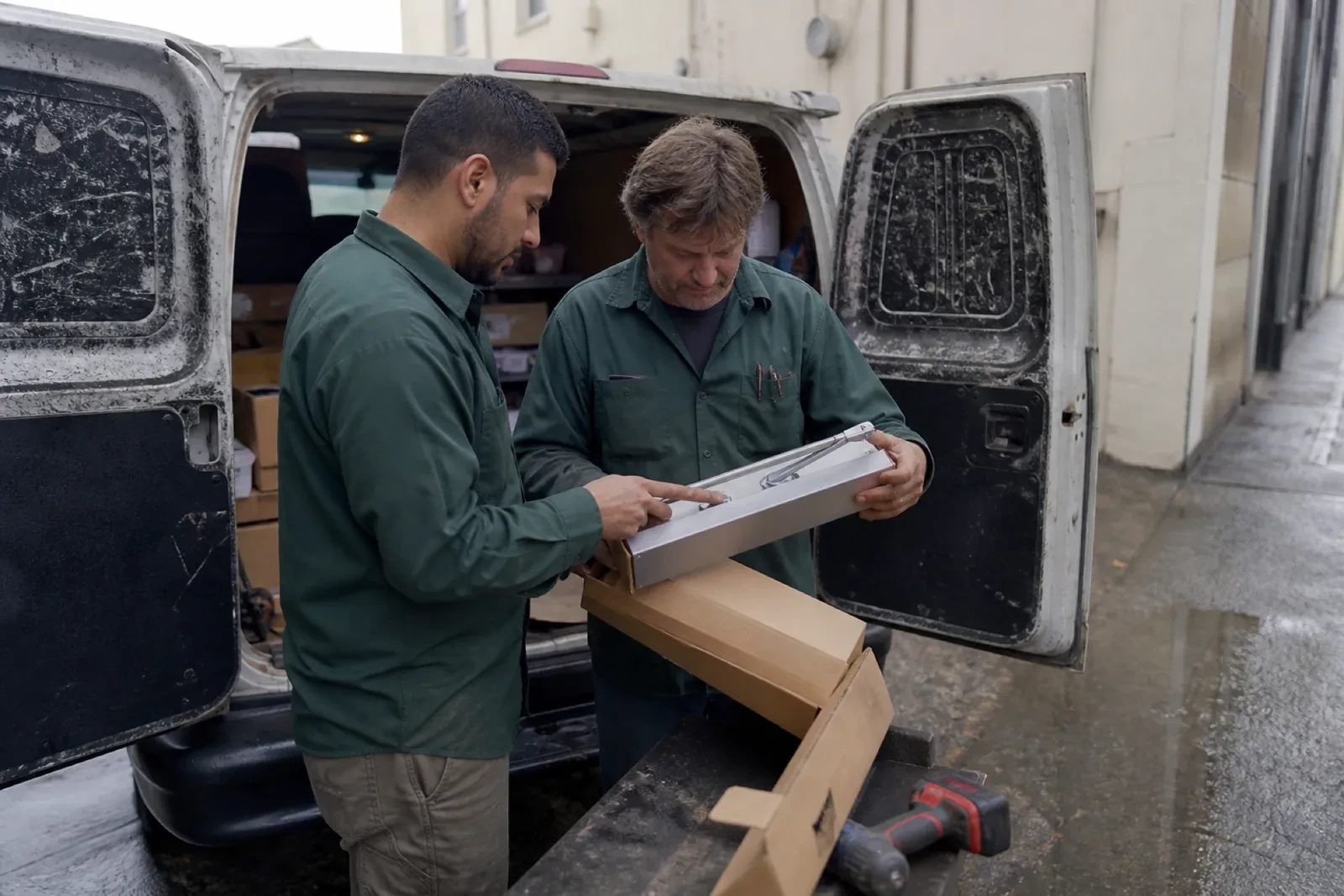
In the van
High-security cylinder
Wrap-around door reinforcer
Box strike
Three-inch strike and hinge screws
Code key cutting machine
High Security Locks
What affects the quote
Glass near the lock
Sidelights or glazed panels beside the deadbolt may call for a different function or extra hardware to keep the inside turn out of reach, always keeping easy exit in view.
Retiring the old keyway
If other doors stay on the old key for now, they may need rekeying so an unknown copy has nowhere to go; that is additional cylinder work alongside the upgrade.
Distance and access
A rural property, a high-rise with loading dock rules or a site that must be visited outside trading hours affects travel and scheduling, and the quote says so plainly.
What to have ready
- Has the door ever been forced, or has a key been lost or not returned?
- Would you like all doors on one key, or different keys for different areas?
- Is the door wood, steel-clad, fibreglass or aluminium with glass?
High Security Locks: questions
QuestionsWhy does the locksmith care so much about the strike plate?
Because that is where a kicked door fails. The bolt is strong, but it sits in a pocket in the jamb held by a thin plate and short screws, and a boot splits the wood around it. A reinforced strike or box strike fastened with three-inch screws into the wall framing spreads the blow along the frame. It is the least visible part of the upgrade and often the one that does the most.
What information helps before the visit?
A photo of each door's lock from inside and outside, the type of door, whether there is glass nearby and roughly how many keys are in circulation. For a business, a sketch of the doors and who needs to reach each area saves a great deal of time. Mention any door that sticks, has been forced or has a closer or push bar on it. With that, the locksmith arrives with the right formats and a plan to discuss.
Do high security locks need special maintenance?
Only light care. Use the dry lubricant the locksmith recommends once or twice a year, never oil, which gathers grit around the finger pins and sidebar. Keep the keyway free of debris and insert the key fully before turning. In winter, warm a resisting key in your hand or use a de-icer rather than forcing it. Check hinge and strike screws each season so the door stays aligned. Treated this way the cylinder lasts for decades.