Change or rekey
Change or Rekey Locks
The residential pages cover the doors of a house or condo one at a time: entry doors, side and garage doors, sliding patio doors, interior doors that need privacy, and the mailbox at the curb. Each page says what the work involves and what it leaves you with.
Which one do I need?
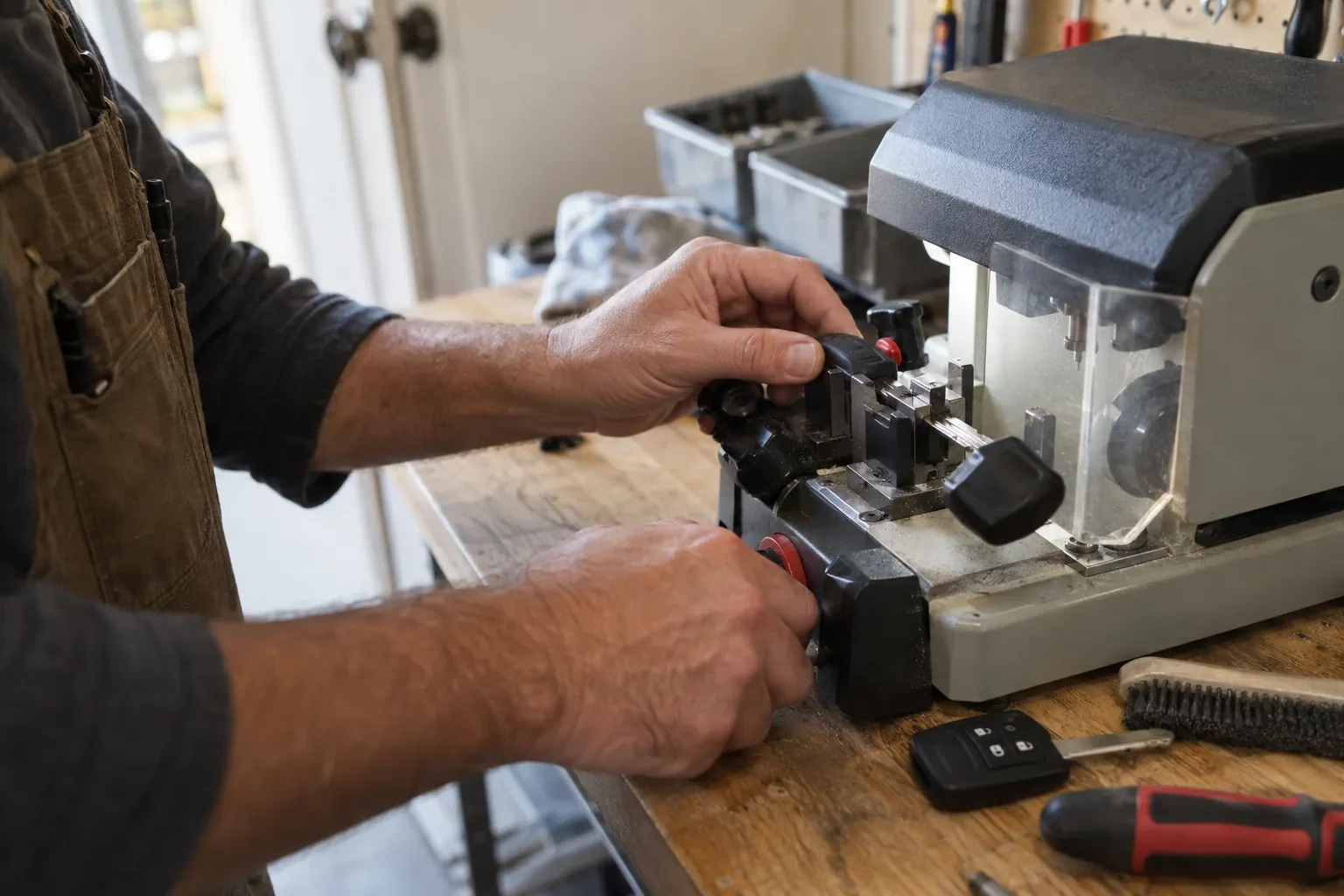
- One key for the front door, another for the back, a third for the side door into the garage, and a fourth for the shed.Lock Rekeying
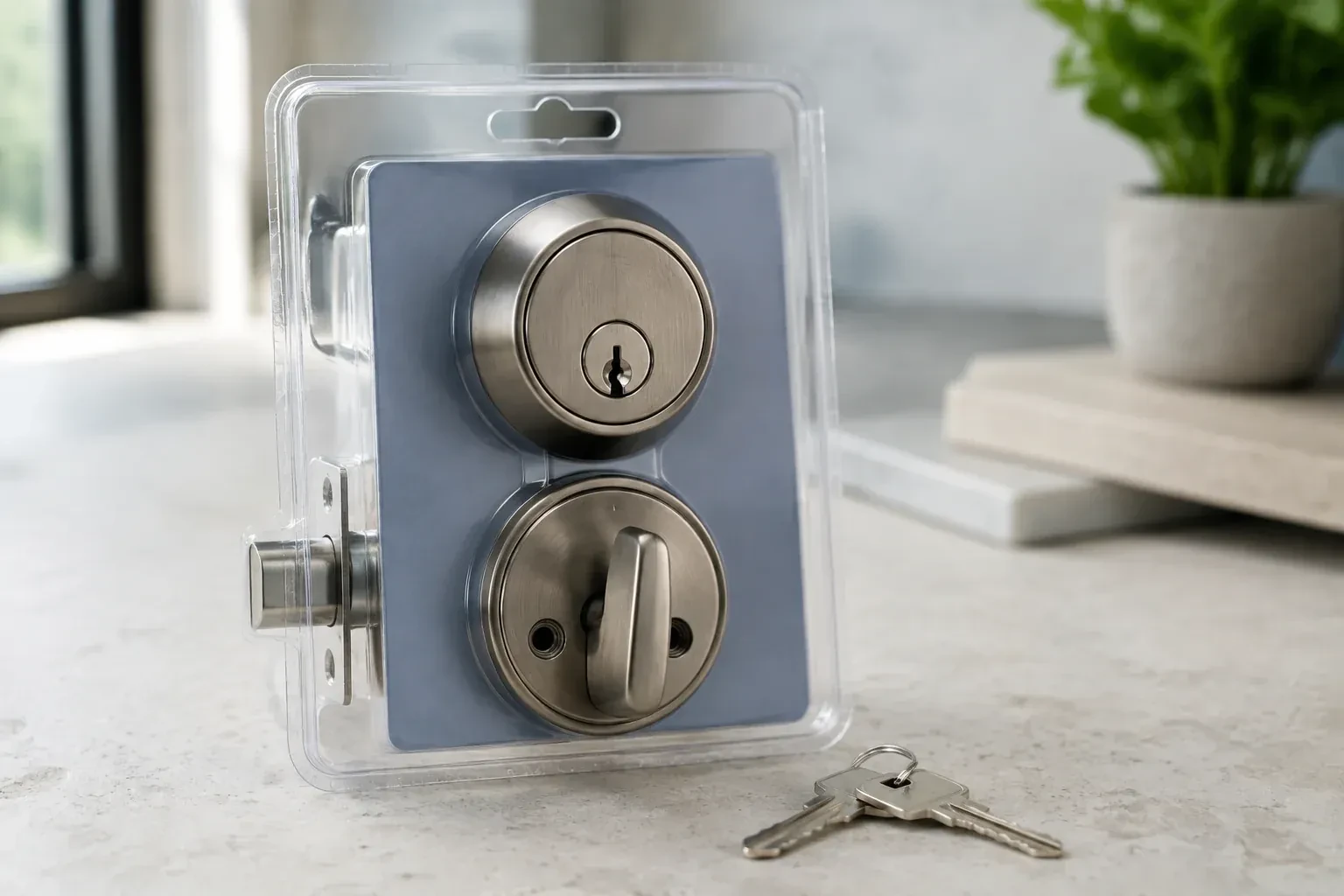
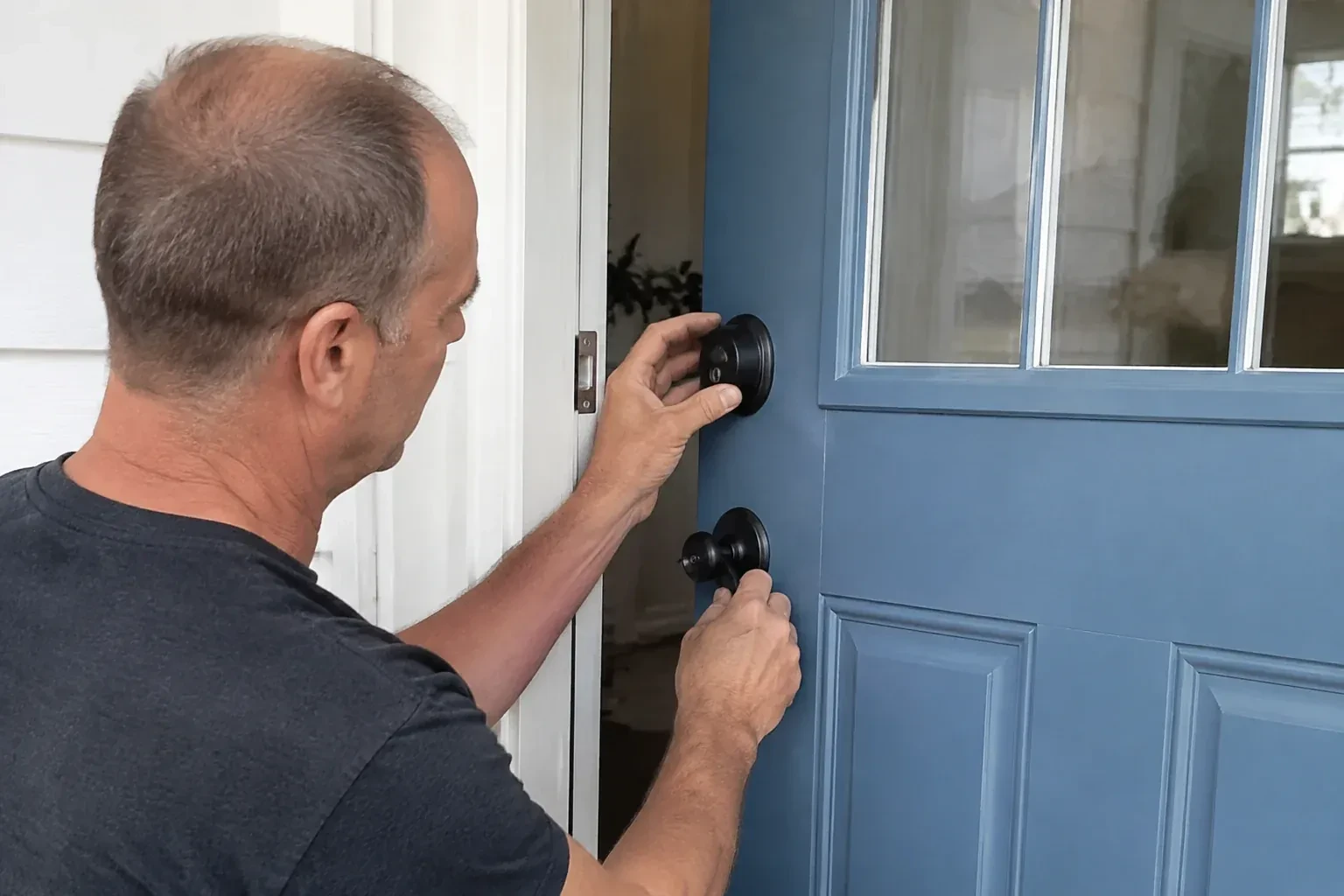
- You moved in three weeks ago.Deadbolt Installation
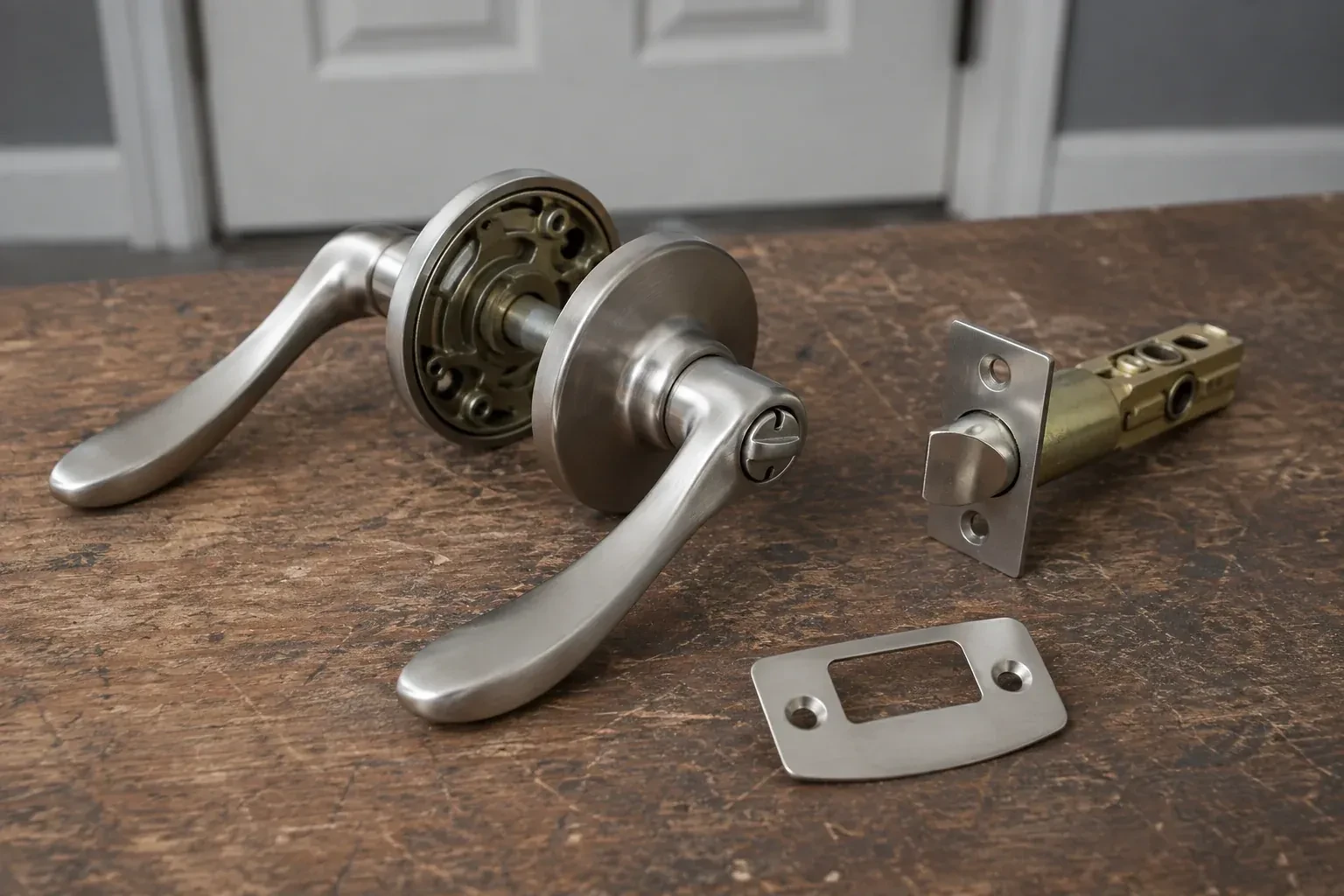
- The lever on the side door droops toward the floor and rattles in your hand.Lock Replacement & Upgrade
- Someone painted the door years ago without removing the hardware.Vintage Mortise Lock Service
- Arthritis has made the small house key hard to grip and turn, especially with gloves on in January.Smart Lock Installation
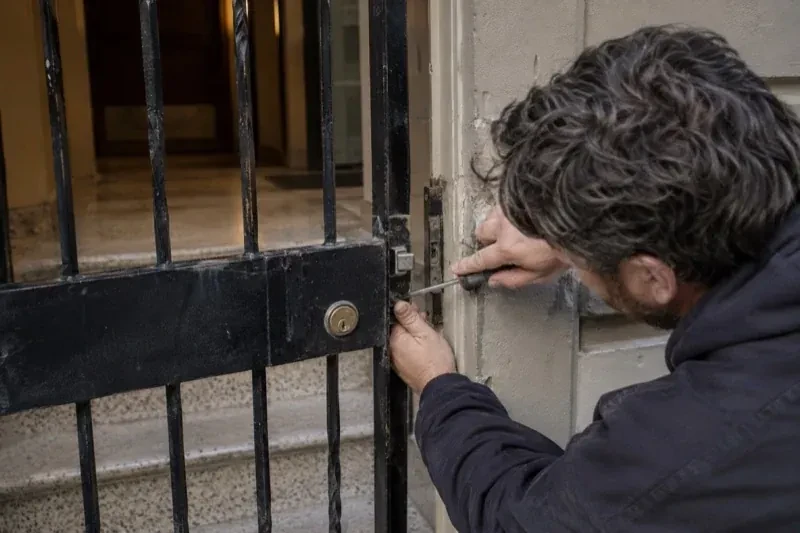
- The driveway gate drags a groove into the gravel every time it swings, and the latch stopped catching weeks ago.Gate & Building Entry Locks
Change or Rekey Locks
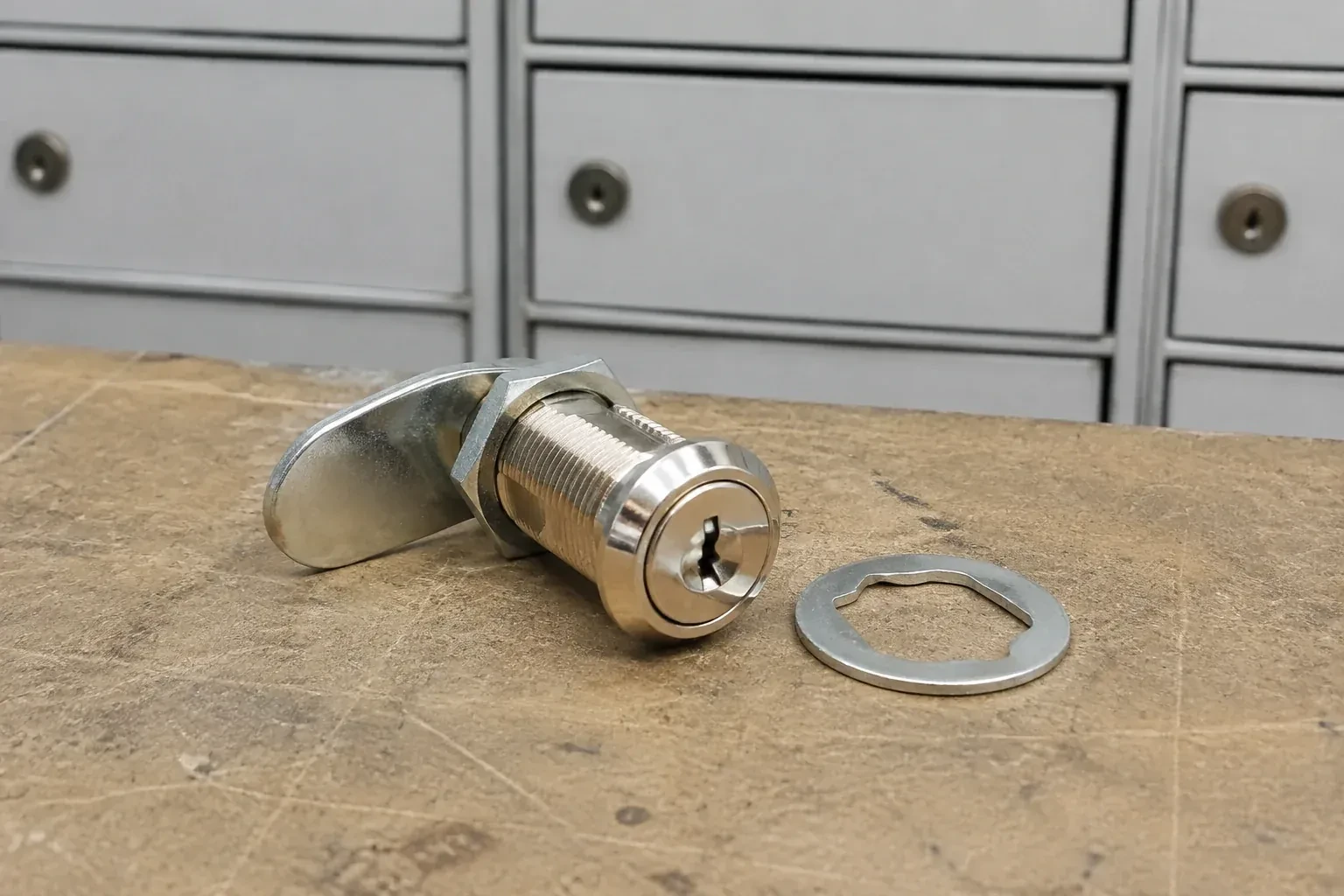
New keys for the locks you have, or new locks where the hardware has worn out: rekeying, replacement, deadbolts, smart locks and older mortise hardware.
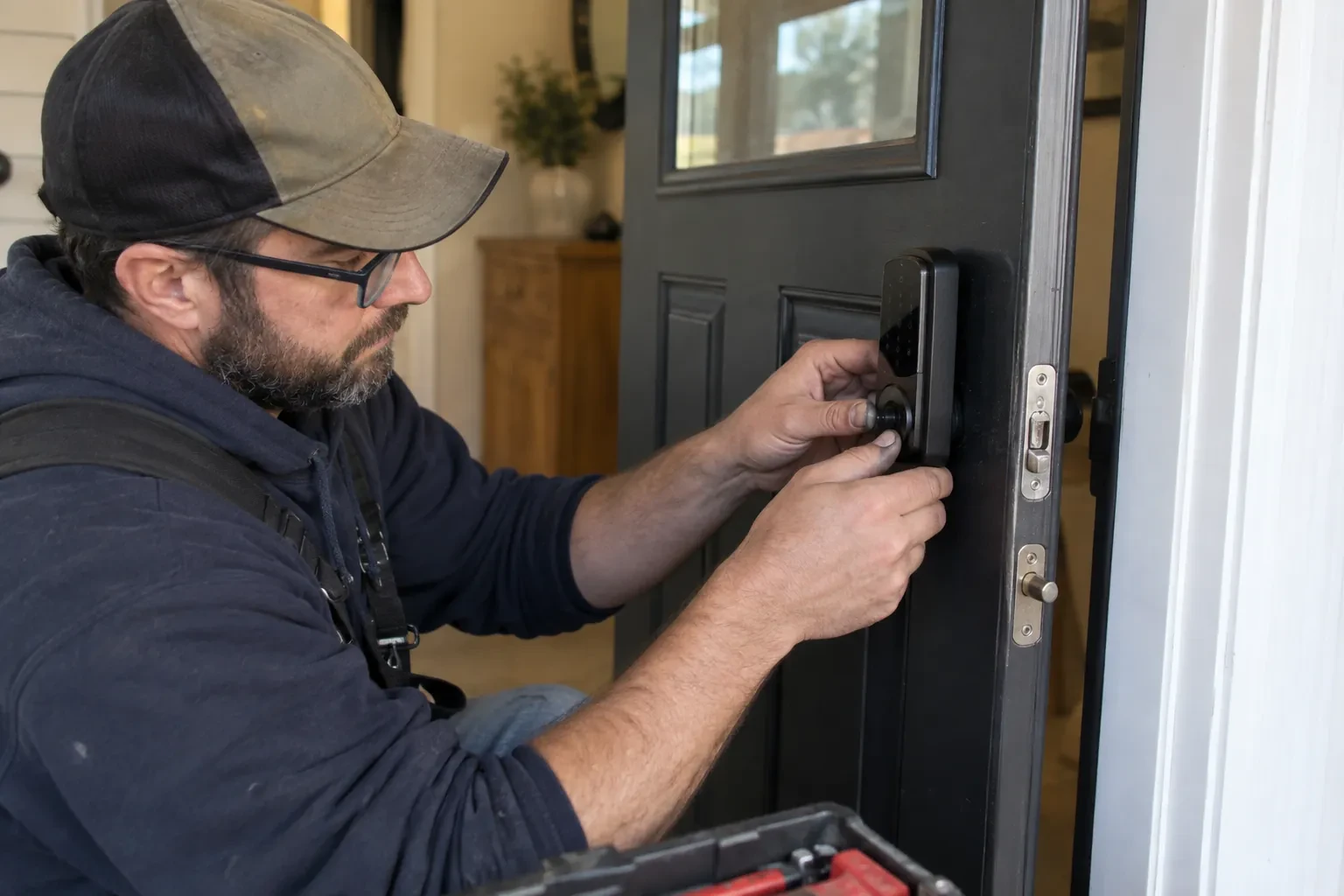
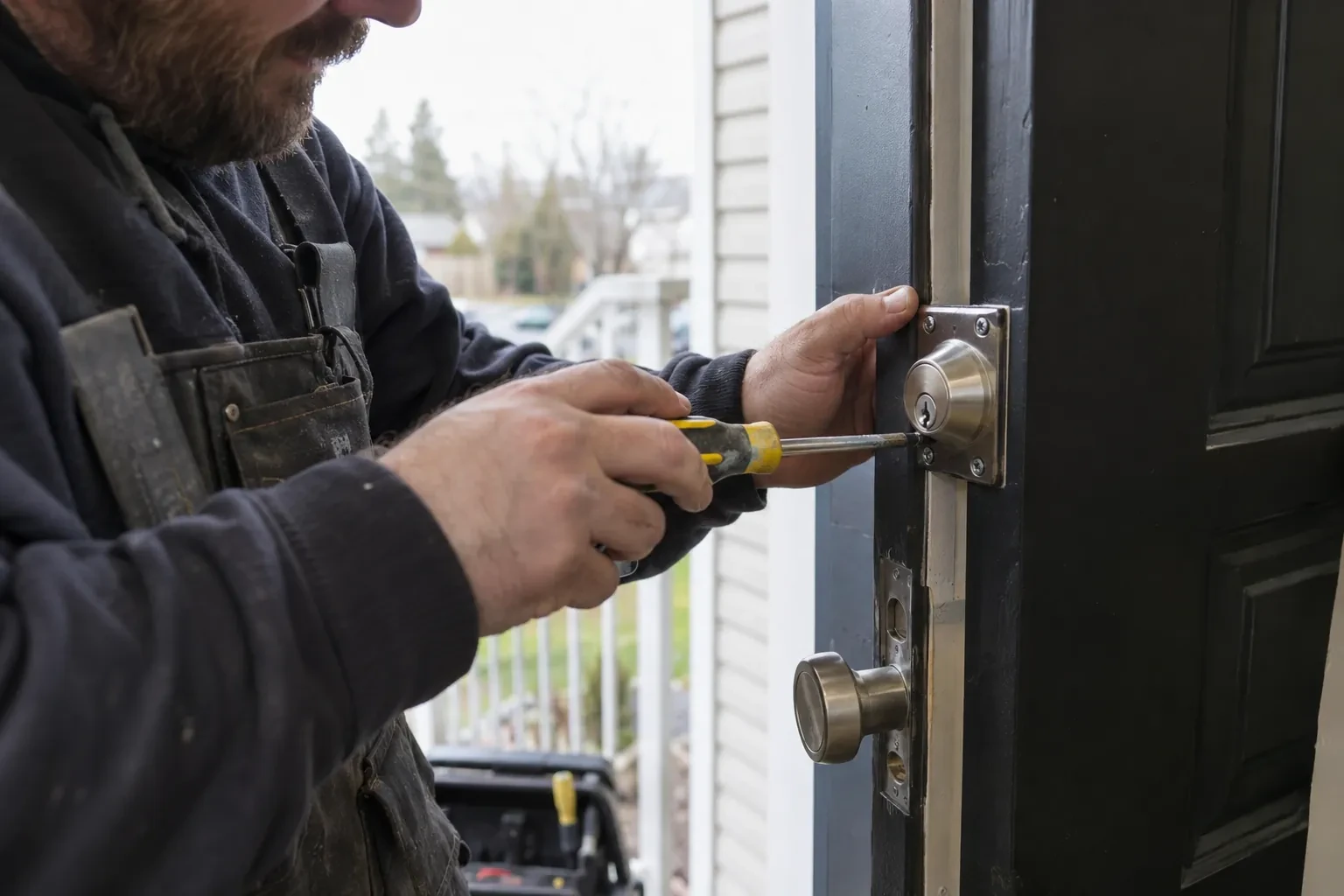
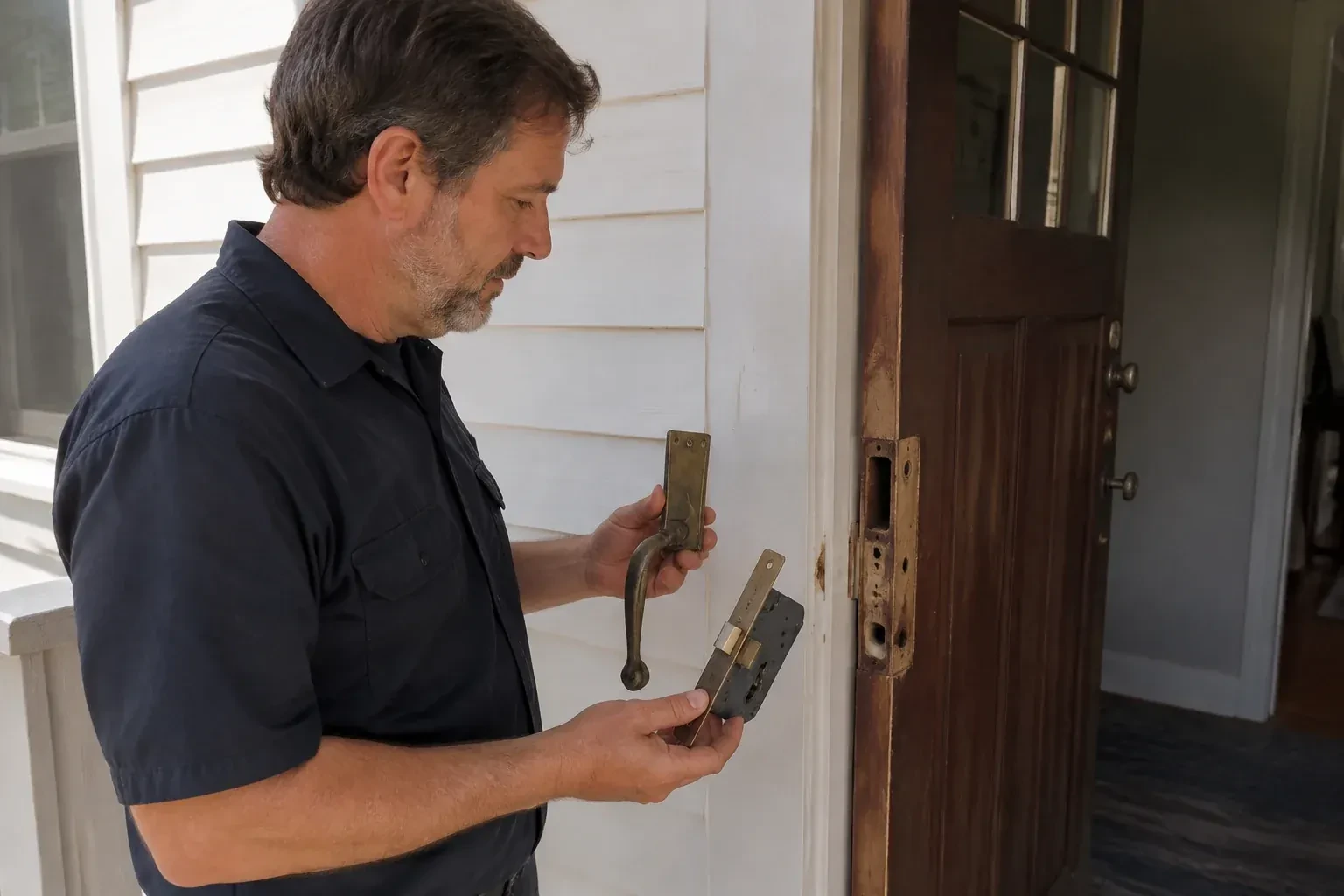
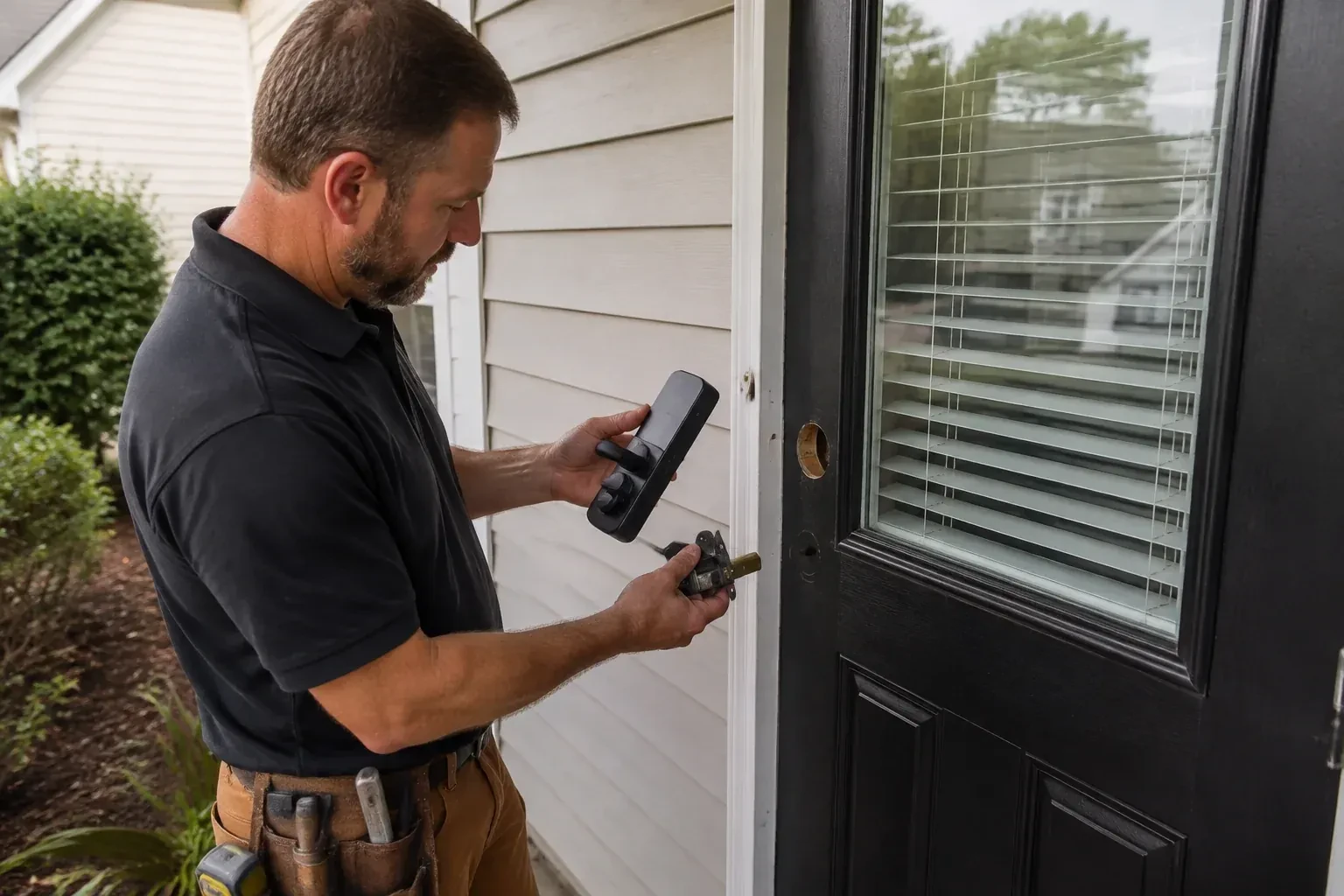
Lock Rekeying
Who is entitled to change the locks
Rekeying decides who can enter a home, so the first check is about the person asking. A homeowner shows photo identification and something tying them to the property, such as a tax bill, a closing document or a utility statement. A property manager brings authorization from the owner.
A tenant is asked whether the landlord has agreed to the change and will receive a copy of the new key, because tenancy rules here expect both sides to hold one. Where a unit is in a condominium, the locksmith asks whether the building has a rule about suite-door locks. None of this is an obstacle; it is the part of the job that protects the home being worked on.