Locksmith in Bronte, OntarioNew keys foryour place in Bronte
Moving into a home in Bronte means somebody else's keys are still out there: a former owner, a tenant, a painter, a cousin who once watered the plants. Rekeying every exterior lock to one fresh key settles the question in a single visit, and the same job suits a rental turning over or a shop changing hands.
Moving into a home in Bronte means somebody else's keys are still out there: a former owner, a tenant, a painter, a cousin who once watered the plants. Rekeying every exterior lock to one fresh key settles the question in a single visit, and the same job suits a rental turning over or a shop changing hands.
Getting you back inside, gently.
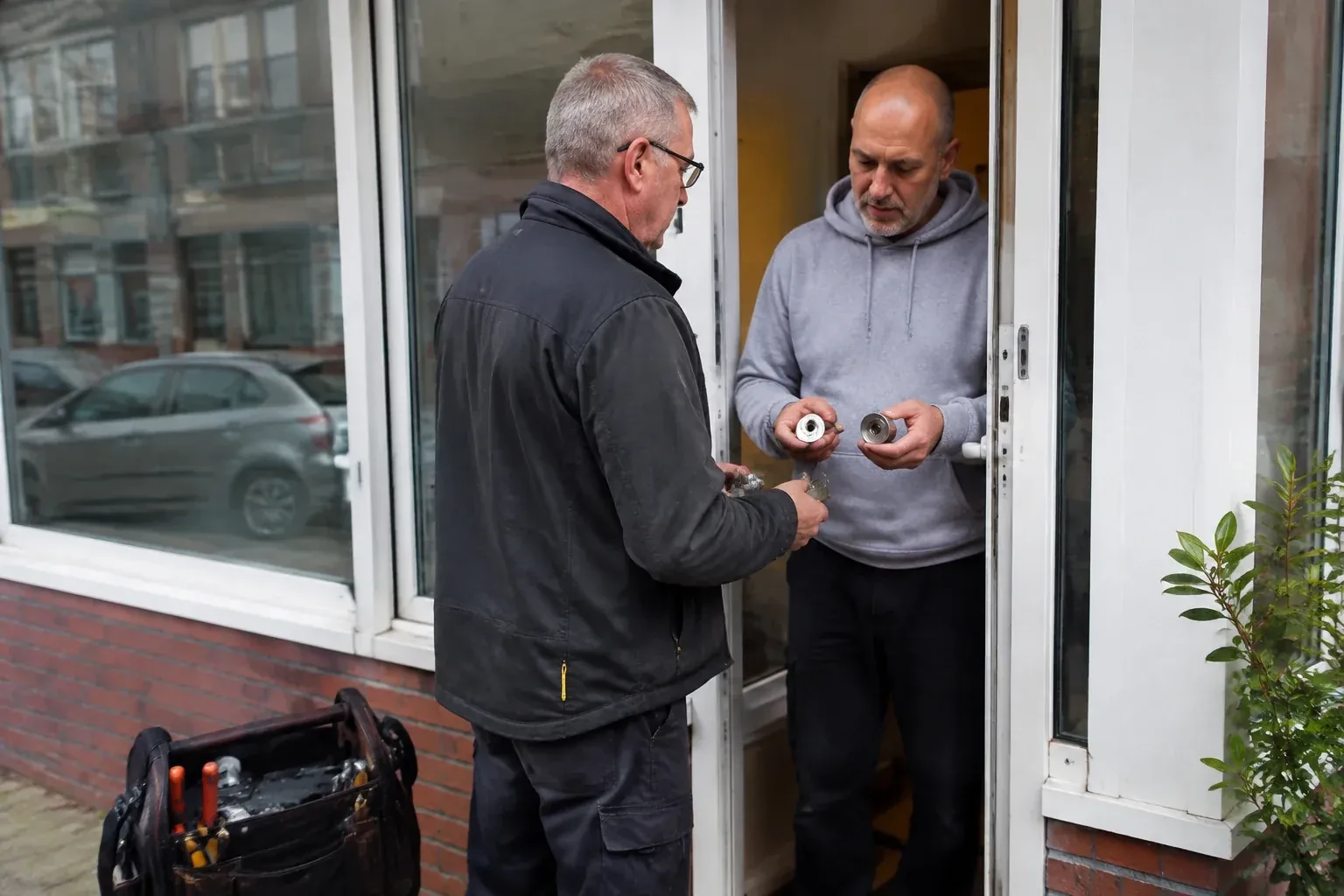
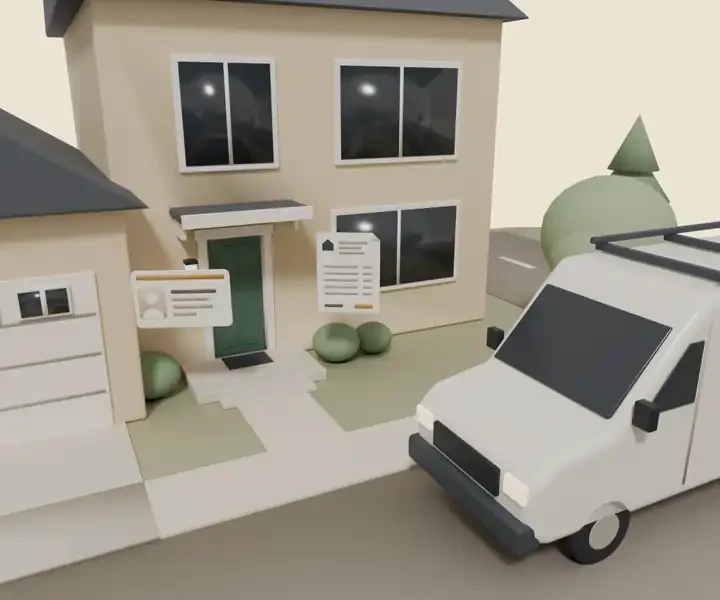
Before a locksmith opens any door in Bronte, he asks to see that it is yours: a piece of identification, a lease, an ownership paper, or a neighbour who can vouch. Most people are relieved by the question. The rest of the visit follows the same habit of care: explain each step, leave the frame and finish as we found them, and make sure the keys in your hand are the only ones that work.
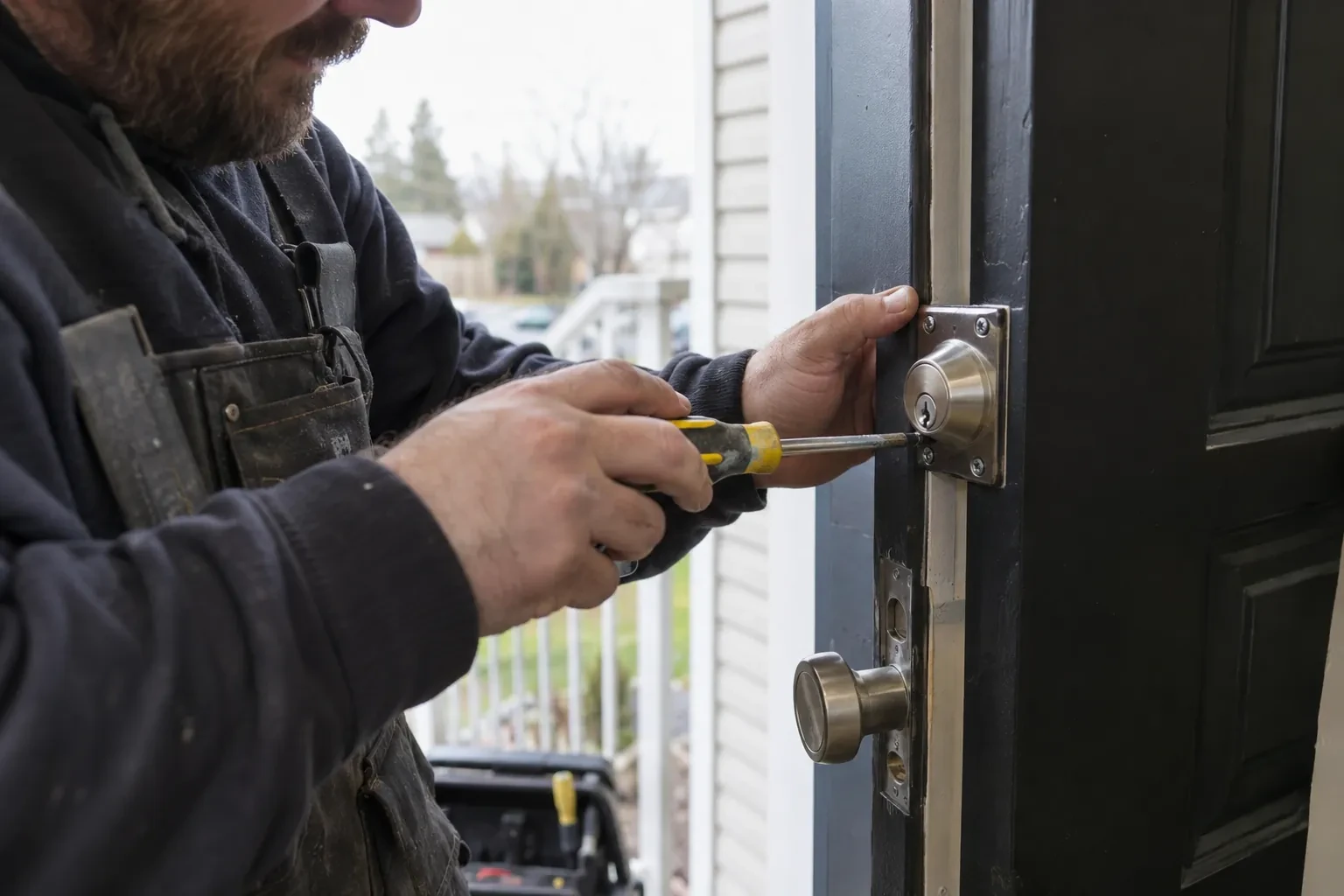
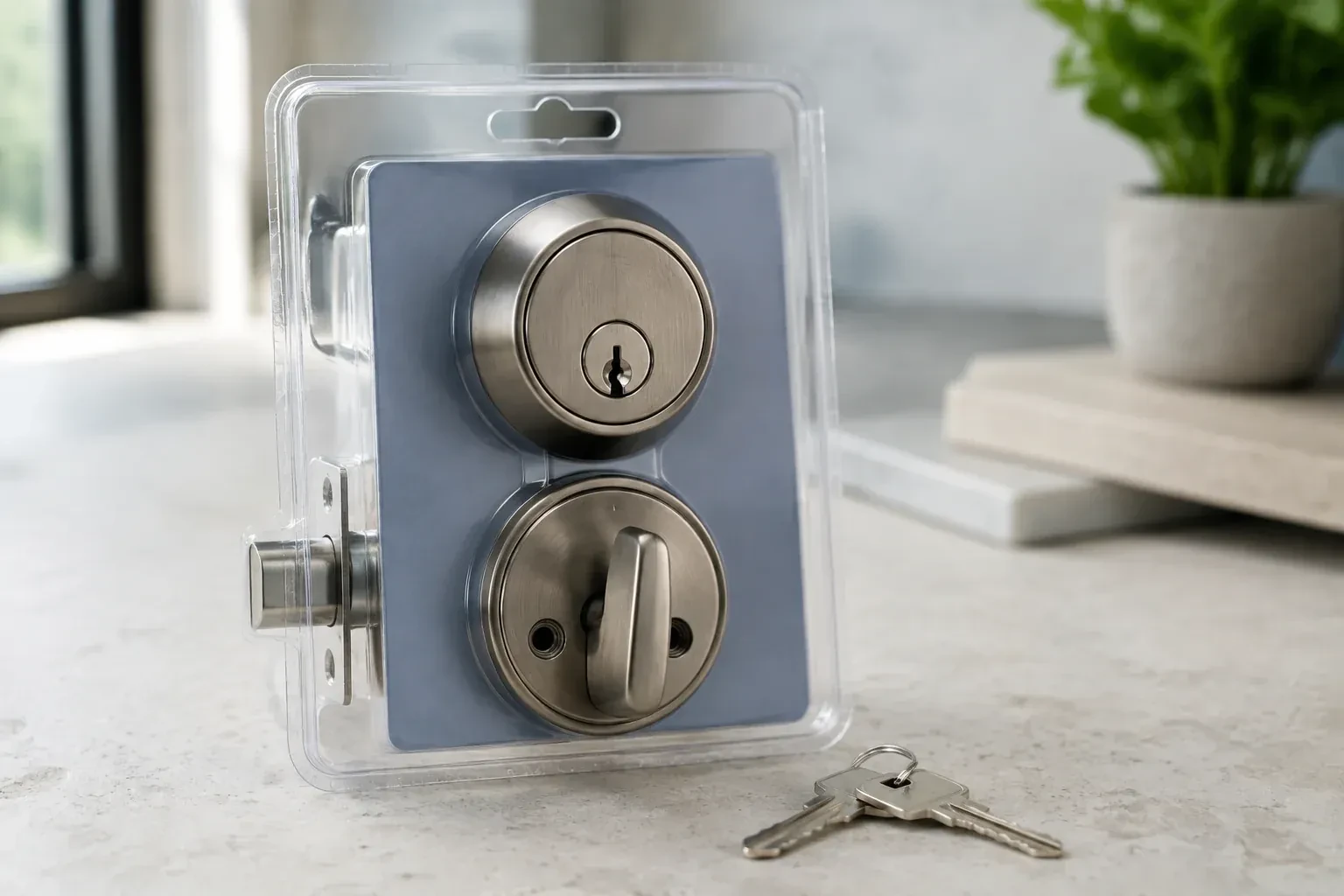
Century homes, post-war bungalows and new subdivisions in Bronte all end up asking the same question about their doors: is this lock enough? We answer it door by door, fitting graded deadbolts, patented cylinders and strikes screwed into the framing where they are needed, and leaving the doors that are already sound alone. Ownership is confirmed first, and the work is done without a mark on the trim.
27years in business
24/7open every day
You know what is happening. From the first look to the last turn of the key, we narrate the job in plain terms. You should never wonder what we are doing to your door.
Suggestions, not pressure. If we think an upgrade would help, we say so once and explain why. If you decline, that is the end of it.
The old parts handled. Removed locks and keys are given to you or taken away as you prefer. Old keys that no longer work are worth destroying, and we will do that if you like.
Homes in Bronte bring us sticking deadbolts, lost keys, moves and upgrades. Businesses bring storefront doors, back doors, key control and safes. The services below cover both sides in detail, so whichever kind of door you are standing in front of, the right page is a click away.
About 27% of homes in Oakville were built in 1980 or earlier, according to the 2021 Census.
Newer homes
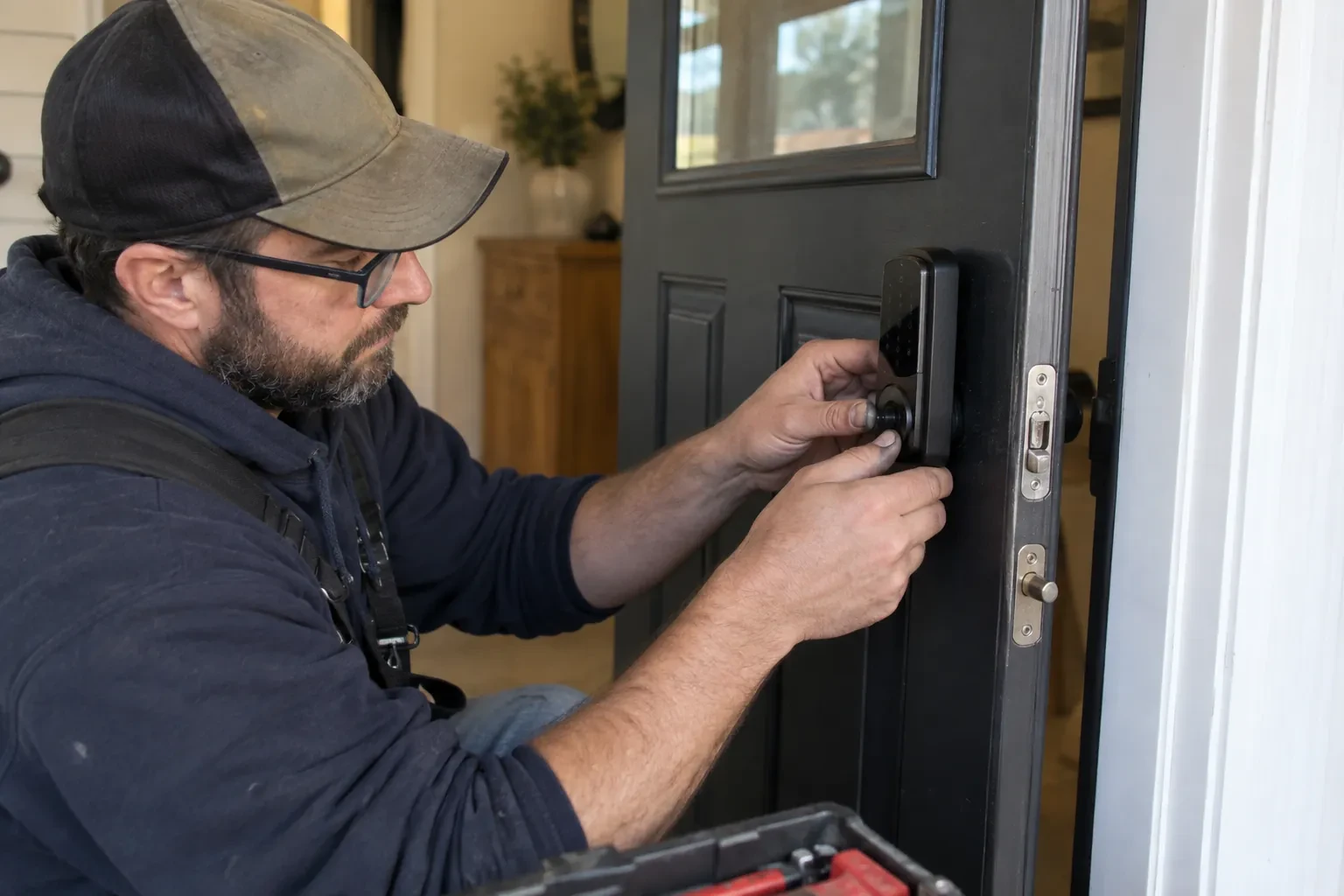
Households in newer homes are often keen on keypads, fobs and phone-controlled locks. Standard doors make installation straightforward, and the locksmith spends more of the visit setting codes and pairing devices than on carpentry.
Single-detached houses make up about 59% of homes in Oakville (2021 Census).
A mix of detached and attached housing means a mix of key habits: spare keys under pots at houses, fob-and-key combinations in buildings. A locksmith can improve both, with a proper key safe or keypad here and a tidy suite cylinder there.
Someone pushed the privacy button on the bathroom door and pulled it shut behind them, leaving the room locked and empty. The little emergency slot on the outside is stripped, and the tiny release key that came with the handle disappeared years ago.
Minus eighteen with a wind, and the exterior cylinder on the shop door has frozen solid overnight after yesterday's slush. The key goes in halfway and stops. The delivery driver is due, the phone is ringing inside, and nobody can reach it.
In the parking lot your car key snapped in the driver's door. You are holding the plastic head with the buttons on it, the metal blade is inside the lock, and the spare is on a hook at home.
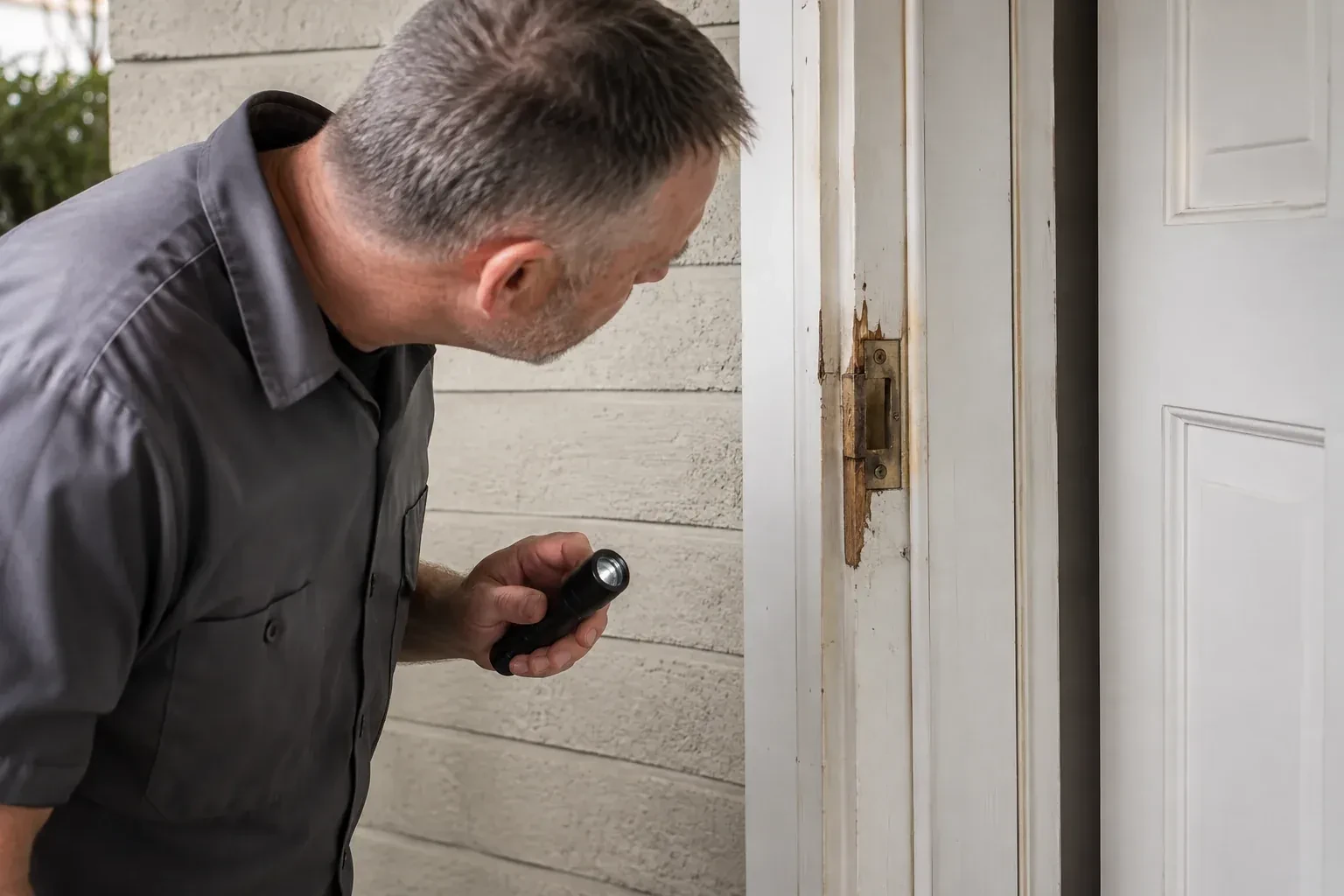
The back door looks closed until you touch it. The edge is crushed where a bar went in, the latch is bent sideways, and the door swings free with a gentle push no matter how you turn the key.
The builder handed over your new home with a stack of identical keys, and you know the framing crew, the painters and the flooring installers all used a construction key during the build. The doors are brand new, but the key that opens them should be yours alone.
Someone painted the door years ago without removing the hardware. The faceplate, the strike and the little thumb-turn are all under several coats, the deadbolt scrapes when it moves, and the knob is stiff enough to leave marks on your hand.
Every time the courtyard gate closes, it slams hard enough to rattle the fence panels, and the deadlatch never quite drops into the keeper before the spring yanks it the rest of the way. One good gust of wind and it bounces right back open.
The office has been reshuffled twice since the locks were last touched. Reception can open the server room, the warehouse crew has a key to accounting, and the chart that once explained who could open what has not been seen since the move.
The remote clicks the way it always has, but the vehicle no longer locks, unlocks or answers with its usual chirp. Nothing on the dash reacts either. A fading battery inside the fob is the likely reason, even though the fob itself looks and feels completely normal.
The cash office, the stockroom, the server closet and the medication cupboard need locks that behave differently from the front door. Commercial services cover those internal doors with cylinders, keying and, where it fits, access control that records who opened what.
WhyMost forced doors fail at the frame, not the lock.
The builder handed over your new home with a stack of identical keys, and you know the framing crew, the painters and the flooring installers all used a construction key during the build.
WhyKeys are the part of the job people expect to be impossible, and they rarely are.
Every time the courtyard gate closes, it slams hard enough to rattle the fence panels, and the deadlatch never quite drops into the keeper before the spring yanks it the rest of the way.
WhySome building entries add a buzzer, a keypad or an electric strike to the mechanical lock, and any one of those pieces can be the reason a door stops releasing on cue.
The office has been reshuffled twice since the locks were last touched.
WhyWhere the fobs currently stand decides how the visit unfolds.
How a visit goes
Describe the property, the hardware and what has changed, and the visit starts from what you have seen.
1
2
3
01
Talking through how you live
Who comes and goes, whether you want codes or phone access, how the door is used in winter. The answers shape which lock suits you and how it should be set up.
02
Fitting it to the door
We check the door alignment before mounting anything, because a smart lock needs a door that closes freely. Then we install, wire or pair it and set the first codes with you.
03
Showing you the controls
We walk through adding and removing codes, changing batteries and what to do if the electronics ever sulk. You leave able to manage it yourself.
In most residential lockouts the lock is untouched. Picking, decoding and latch tools operate the mechanism the same way your key does, so there is nothing to repair afterwards. A drill only appears when a cylinder is seized, plugged by a snapped key or engineered against picking, and you hear about that before it starts. Should it come to that, replacement hardware goes on before the locksmith leaves so you lock up normally that evening.
Last night the door would not lock either. Is that the same problem?
Sometimes, though a deadlatch that will not catch at closing and a bolt that refuses to withdraw at opening are different mechanisms, not automatically the same fault. A door dropped on its pivots or a cam slipped behind the cylinder can affect either one; a closer stopping short of the strike explains a latch that will not catch but not a bolt that will not retract. The locksmith checks each symptom on its own during the visit and tests the door closing under its own weight before leaving.
My car key snapped in the door. Is that a locksmith job?
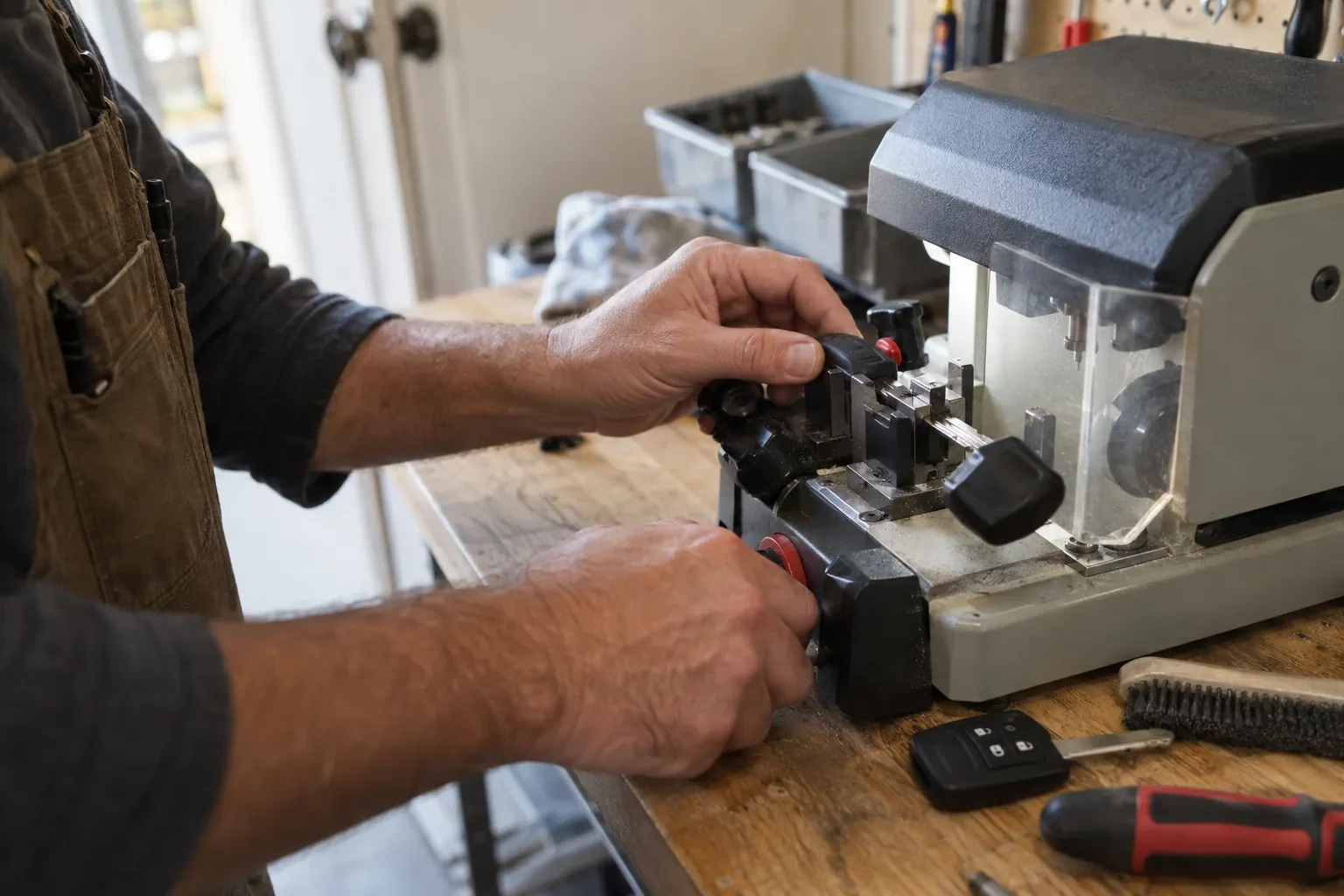
Yes. Vehicle door locks and ignitions use wafer cylinders that respond to the same extractor tools. Once the blade is out, the plastic head you are holding, which carries the transponder chip and any remote buttons, can usually take a freshly cut blade so the car keeps recognizing it. The ignition is checked as well, since a broken key sometimes disturbs the wafers.
Do longer screws really make a difference?
A large one. Factory strike and hinge screws are usually short enough to grip only the jamb, a piece of trim about an inch thick. Three-inch screws pass through the jamb and the gap behind it into the stud, so a blow has to move the wall rather than the trim. Lock manufacturers supply reinforcement plates with three-inch screws for exactly this reason, and note that a door beside a sidelight needs a different arrangement because glass sits where the stud would be.
Can a smart lock or keypad deadbolt be rekeyed?
The mechanical part of it can. Many keypad or app-controlled deadbolts hide a small keyed cylinder under a cap for the day the batteries fail, and that cylinder can be pinned to your house key so the backup key on your ring is the same one that opens the other doors; some models are key-free and rely on an external battery backup instead. Codes are a separate matter: the locksmith will suggest deleting any code belonging to someone who no longer needs access at the same time.
The key turns all the way round but the bolt stays put. What is wrong?
On a cylinder mortise lock this points to the cylinder rather than the case. The set screw that holds the cylinder in the door has loosened or stripped so the whole cylinder rotates, or the cam on the back of the cylinder has worn or is the wrong shape and no longer catches the bolt lever. Both are fixed by resetting or replacing the cylinder and its set screw, and the case itself is usually fine.
Someone tried to force our gate open. What happens now?
The locksmith first looks over the damage without disturbing it, noting pry marks, a bent strike or a cylinder that has been scored or spun, since that record is useful to have regardless of what else follows. Any hardware that was compromised is replaced rather than trusted, and a weak point the attempt exposed, such as an undersized hasp or a strike with too little bite, is addressed at the same time so the same approach would not work a second time.
What is a master key system and does a small business need one?
In a master key system each lock accepts its own change key and also a master key above it, so a manager carries one key while staff carry keys that open only their own doors. Small businesses with three or four doors often manage without one. A master earns its place once there are several rooms with different people in them, or several locations, and the owner would otherwise carry a ring of keys.
What does testing remote start or passive entry actually involve?
Each function the vehicle offers is tried in person once the fob is registered: trying whatever passive-entry action that vehicle actually needs, approach alone, or a handle touch, grip or button press, pressing the remote start button and confirming the engine turns over, and checking that the vehicle re-locks or shuts down the way it is meant to. Nothing is assumed to work simply because the fob was accepted by the vehicle's memory.
Request a visit
Before a locksmith opens any door in Bronte, he asks to see that it is yours: a piece of identification, a lease, an ownership paper, or a neighbour who can vouch. Most people are relieved by the question. The rest of the visit follows the same habit of care: explain each step, leave the frame and finish as we found them, and make sure the keys in your hand are the only ones that work.