Change or rekey · Bronte
Lock Rekeying in Bronte
One key for the front door, another for the back, a third for the side door into the garage, and a fourth for the shed.
In plain words
Rekeying is really about knowing who can open your door. Over the life of a home, keys are lent to trades, handed to neighbours for the holidays, given to a cleaner or a dog walker, and copied at the hardware store. Nobody keeps a list. Rekeying draws a line: from today, the only working keys are the ones counted into your hand. Good practice afterwards is simple, and a locksmith will suggest it: know how many keys exist, know who holds each one, tag them with a colour or code rather than the address, and rekey again whenever a key leaves your control.
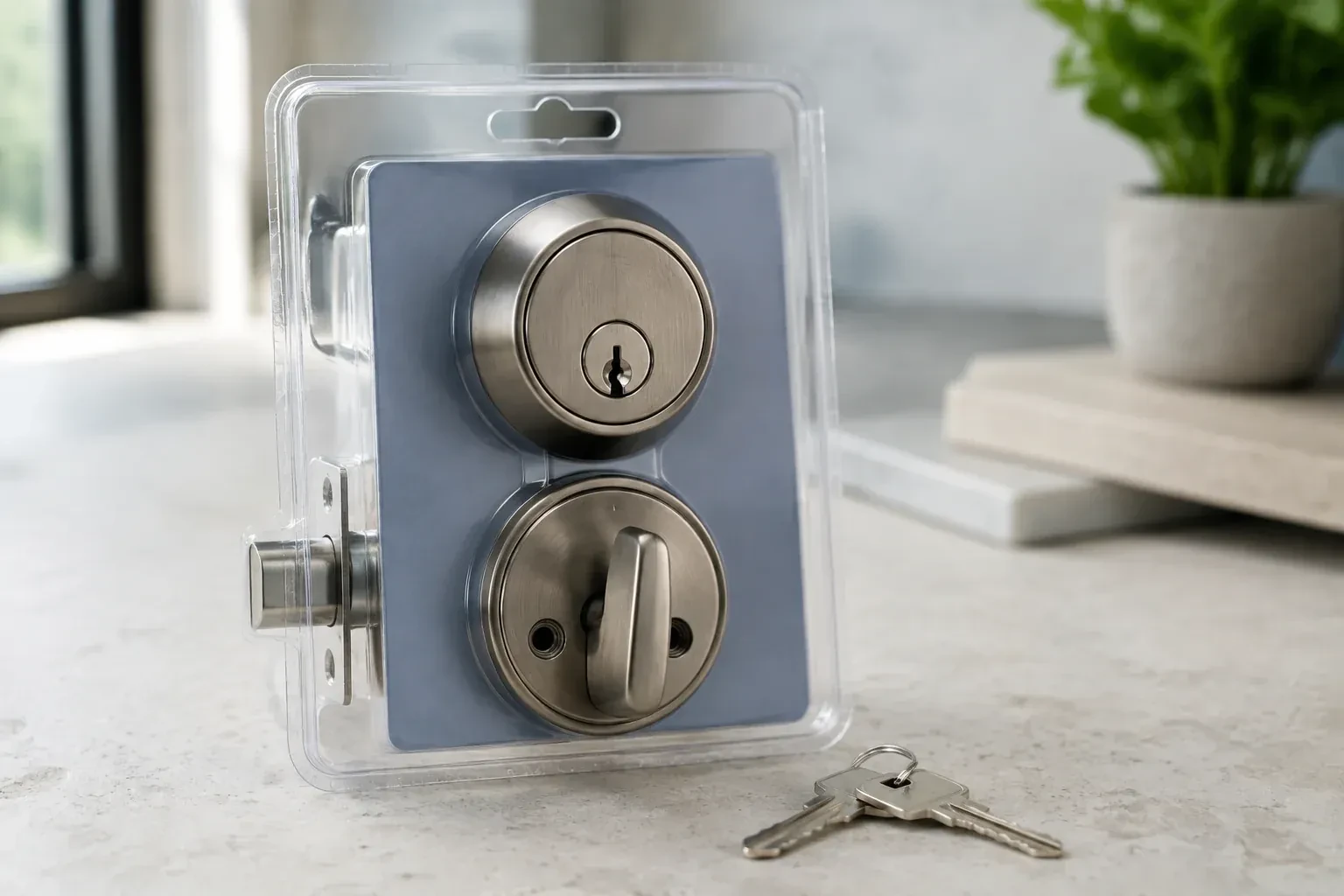
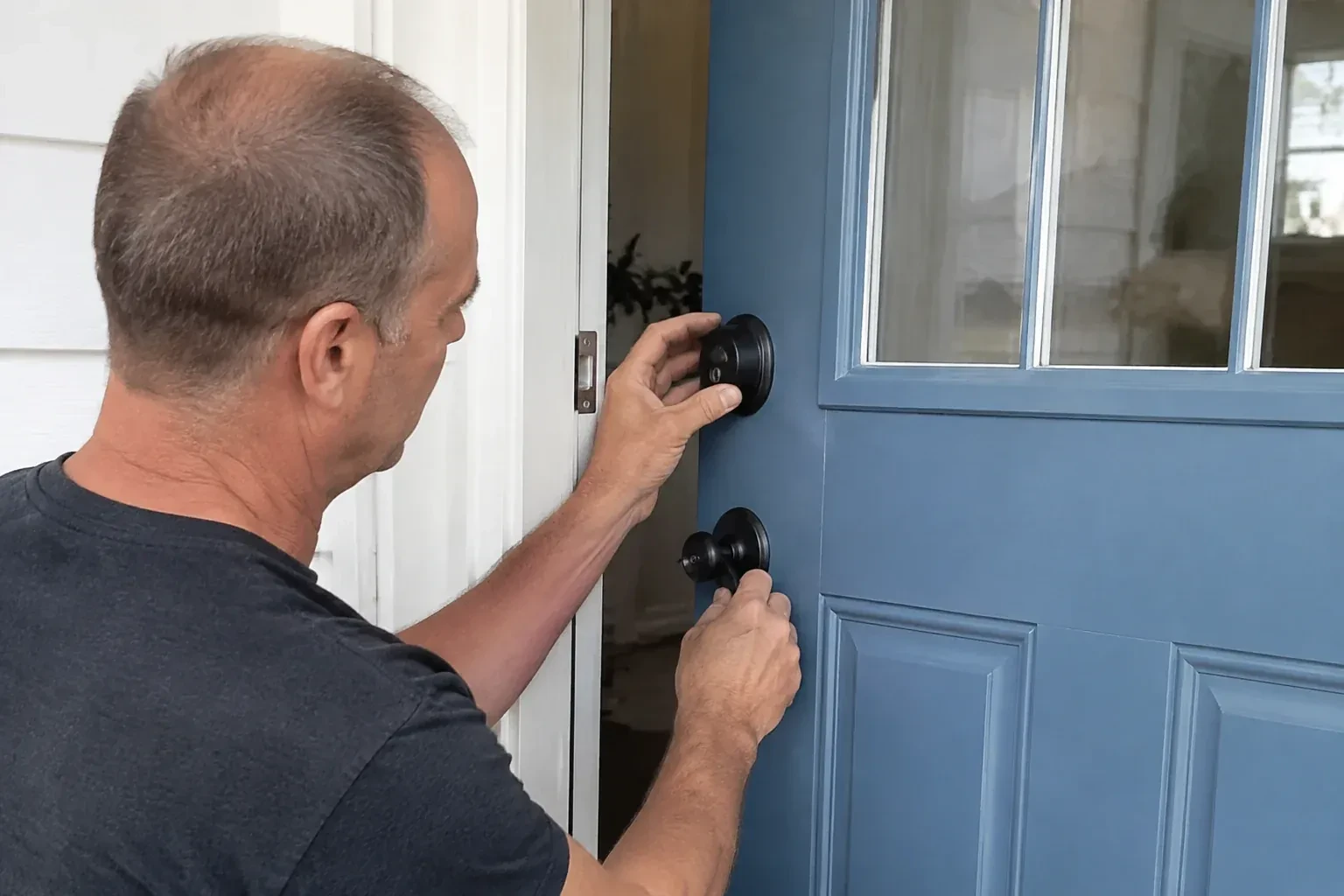
How the visit goesThe builder handed over your new home with a stack of identical keys, and you know the framing crew, the painters and the flooring installers all used a construction key during the build. The doors are brand new, but the key that opens them should be yours alone.
Inside the lock
What a rekey changes
01
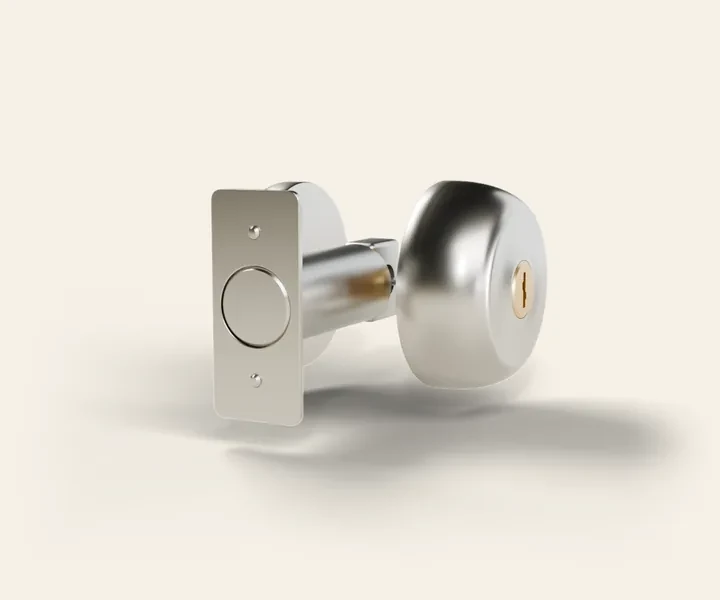
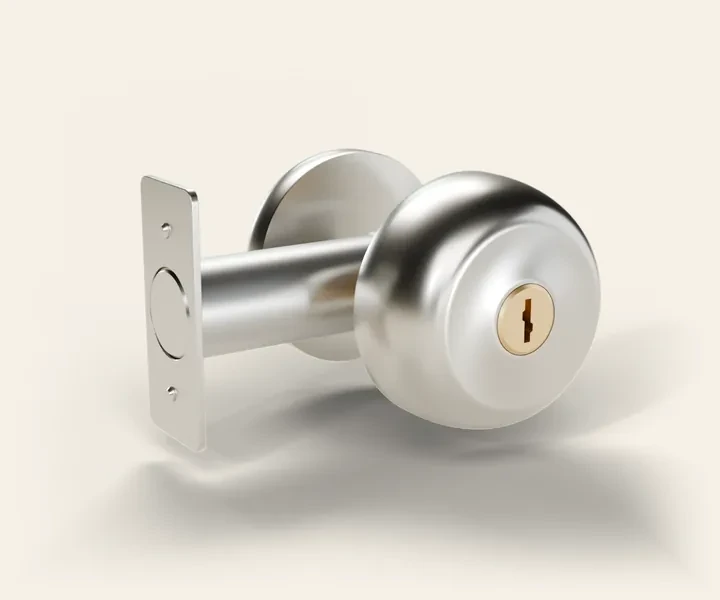
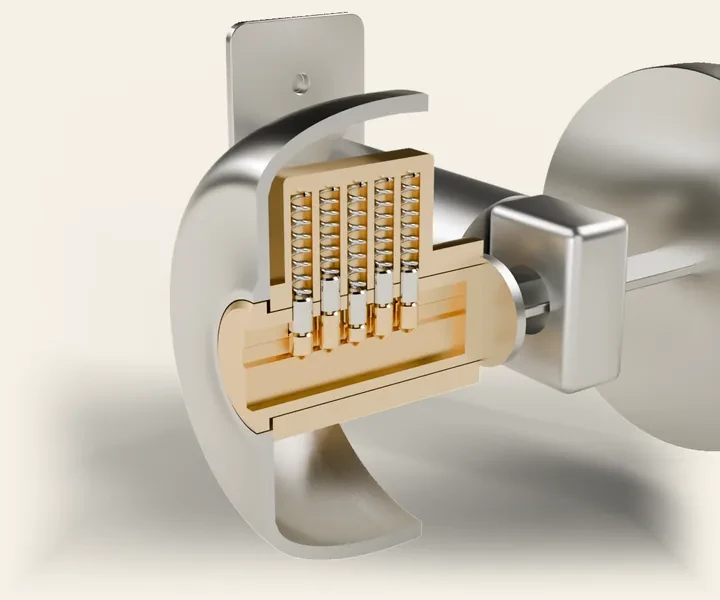
The lock you already have
02
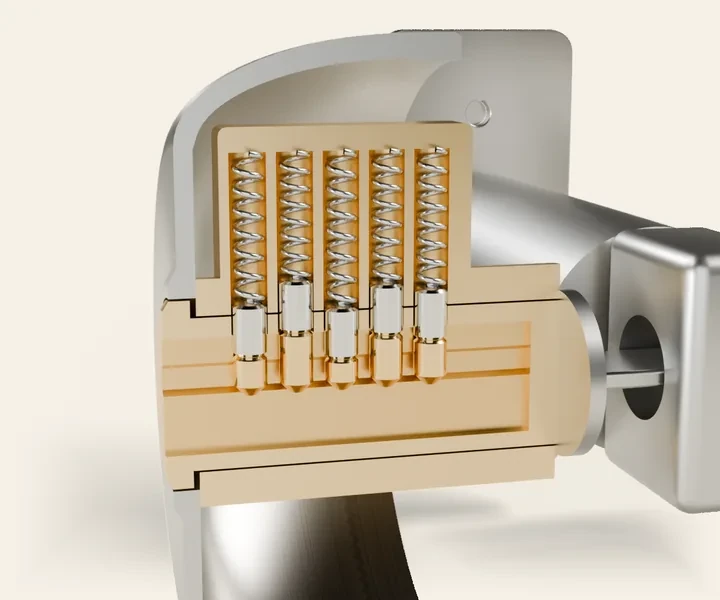
Inside the cylinder
03
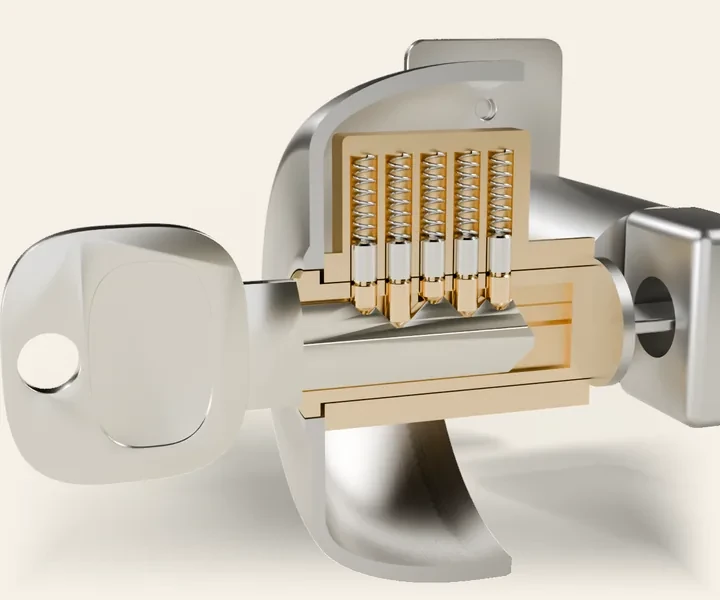
Pins, springs and the shear line
04
A new key, new pins
Lock Rekeying
How the visit goes
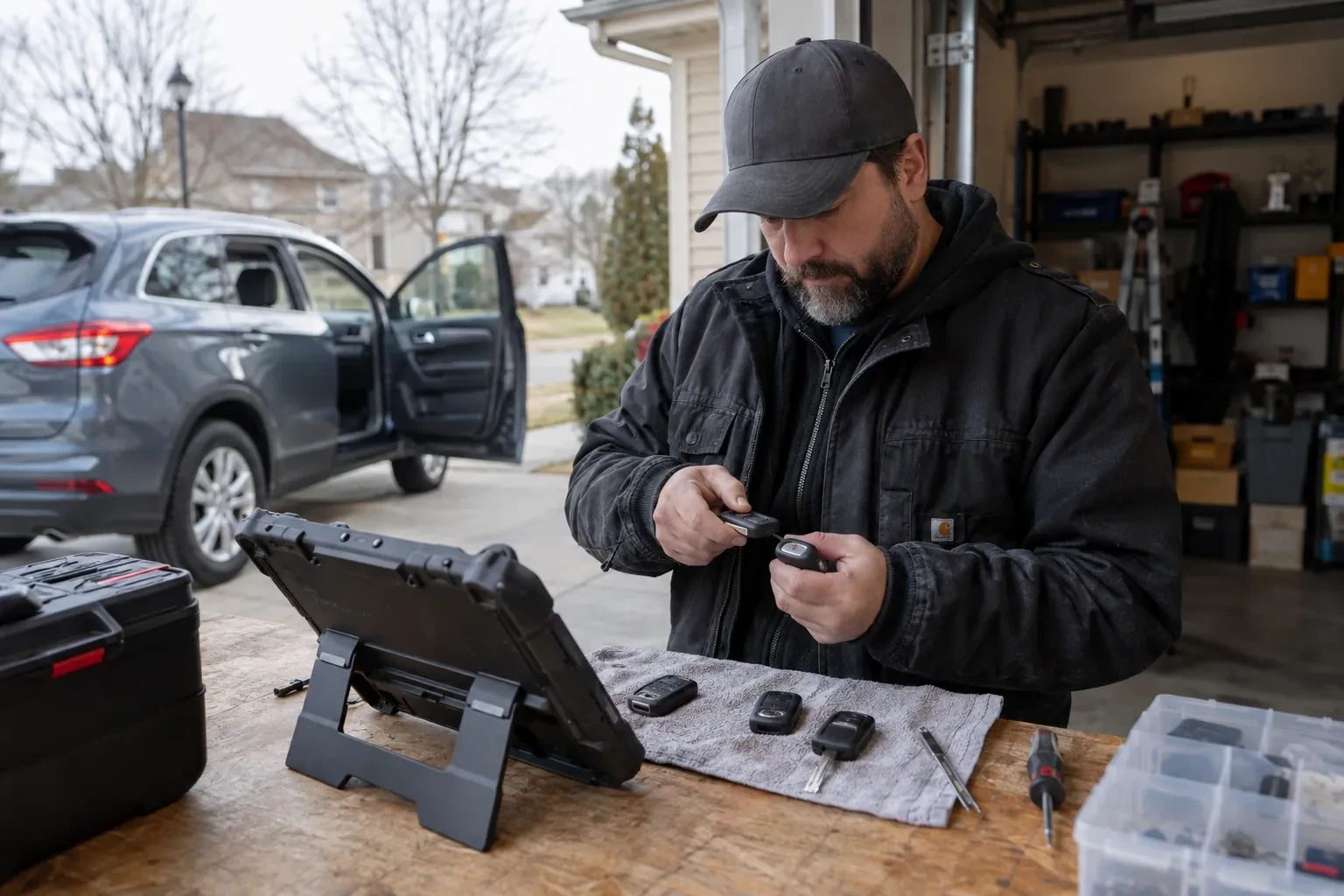
Counting the keys that are already out there
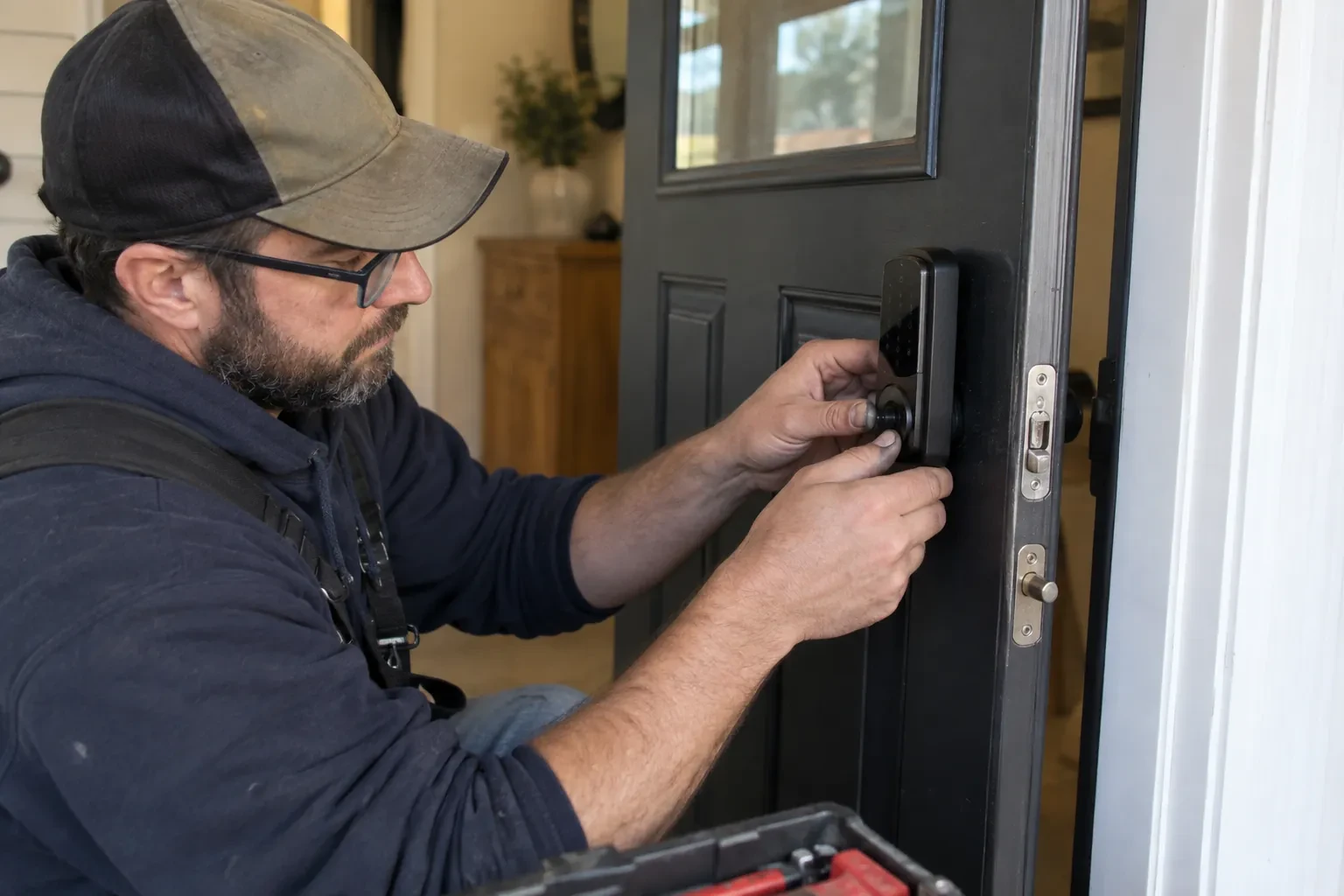
Part of planning a rekey is understanding why it is happening. The locksmith asks how many keys exist as far as you know, who has held one, and whether any went missing with something identifying the address. The answers do not change the pinning, but they shape the advice: whether a padlock or mailbox shares the same risk, whether a garage keypad code should change on the same visit, and how many new keys make sense to cut. It also helps to know whether any key is a restricted or patented type, since those are cut from a record rather than duplicated and may involve the original supplier.
Resetting a user-rekeyable cylinder properly
Some residential deadbolts and handle sets are built so the owner can change the key with a small tool, a working key and the new key. They save a bench session, and they also go wrong in a particular way: without a working key of the correct type, or with a key from the wrong keyway, the reset stalls partway. The locksmith carries the reset tool and the reset procedure for these cylinders, confirms the keyway matches the new house key, and completes the change so the cylinder accepts the new key and rejects the old one. If the mechanism has been damaged by a forced reset, it is replaced with a standard cylinder and pinned to match.
For landlords: the tenant's copies and the paperwork
After a rental unit is rekeyed, the incoming tenant receives their keys, the landlord keeps a copy as the tenancy rules expect, and the number issued is written on the move-in record so the count at move-out is easy to check. The former tenant's keys are retired. Where a building has several suites, the locksmith can keep each on its own key while the shared entry stays on a common one, and the note of which key belongs to which door becomes the start of a keying chart. That chart is what makes the next turnover a matter of one cylinder rather than a guessing game about who has what.
Lock Rekeying
In the van
Replacement cylinder for odd keyways
Key gauge
Code cutter or key duplicator
Graded bottom pin kit
Dry graphite or PTFE lubricant
Lock Rekeying
What affects the quote
Records, tags and labelled key sets
A homeowner needs a short note. A property manager may want a keying chart, tagged sets for each suite and a key-issuance log, which is more office work and is quoted as such.
Type of lock on each door
A standard deadbolt, a knob or lever set, a mortise lock in an older door, a padlock and a smart lock's override cylinder each come apart differently and take different time on the bench.
One key group or several
Keying every door alike is the simplest plan. Setting up separate keys for a basement suite, an office or a shed adds a group to pin and label, and the quote shows that as separate work.
What to have ready
- Do any locks feel stiff, loose or need a wiggle to turn?
- Which doors do you want rekeyed, and have you counted the door from the garage?
- Is there a shed, gate, mailbox or padlock you would like on the same key?
Lock Rekeying: questions
QuestionsWhat should I have ready before the locksmith arrives?
A list of the doors you want included, a working key for each lock if you have one, and a clear idea of whether you want everything on one key or some doors kept separate. Have your identification and something tying you to the address handy. If you rent, have your landlord's agreement ready to mention. Knowing roughly how many new keys the household needs saves a second trip to cut more.
Can a smart lock or keypad deadbolt be rekeyed?
The mechanical part of it can. Many keypad or app-controlled deadbolts hide a small keyed cylinder under a cap for the day the batteries fail, and that cylinder can be pinned to your house key so the backup key on your ring is the same one that opens the other doors; some models are key-free and rely on an external battery backup instead. Codes are a separate matter: the locksmith will suggest deleting any code belonging to someone who no longer needs access at the same time.
How many new keys will I get, and can I get more later?
As many as you ask for, cut on site from the fresh pinning and tested in each door they should open; two or three is typical for a household. More can be cut later. When you do, bring one of the locksmith's originals to be copied rather than a copy of a copy, since every generation strays slightly from the intended depths. If any key is a restricted type, additional copies come from the record kept for that system rather than from a hardware store.
Related services
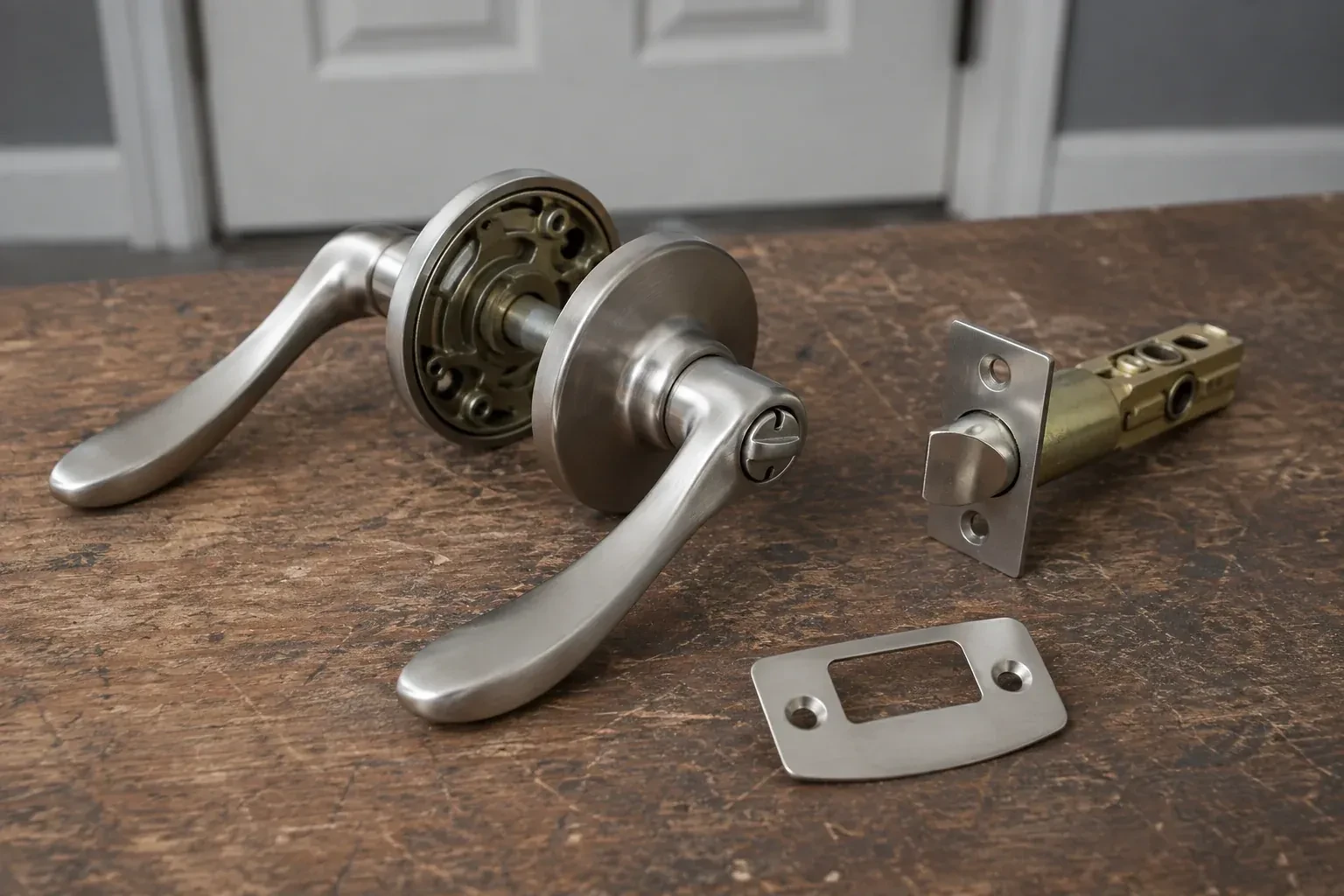
- Lock Replacement & UpgradeThe lever on the side door droops toward the floor and rattles in your hand.
- Vintage Mortise Lock ServiceSomeone painted the door years ago without removing the hardware.
- Smart Lock InstallationArthritis has made the small house key hard to grip and turn, especially with gloves on in January.